Jul 30, 2026Crane Knowledge
Portable Electric Mobile Gantry Crane vs Overhead Crane: Which Is Better for 1–3 Ton Lifting?
Compare portable electric mobile gantry cranes and overhead cranes for 1–3 ton lifting. Learn which solution offers better flexibility, lower installation costs, and higher value for workshops.
Is a Portable Electric Mobile Gantry Crane Better Than an Overhead Crane for 1–3 Ton Lifting?
When choosing lifting equipment for a workshop, warehouse, or maintenance area, many buyers automatically consider an overhead crane or rail-mounted gantry crane.
However, if your daily lifting tasks are only 1 to 3 tons, investing in a large overhead crane may not be the most economical solution.
A portable electric mobile gantry crane offers a flexible, cost-effective alternative for light and medium-duty lifting applications.
In this article, we'll compare the two solutions and explain why more companies are switching to portable mobile gantry cranes.
What Is a Portable Electric Mobile Gantry Crane?
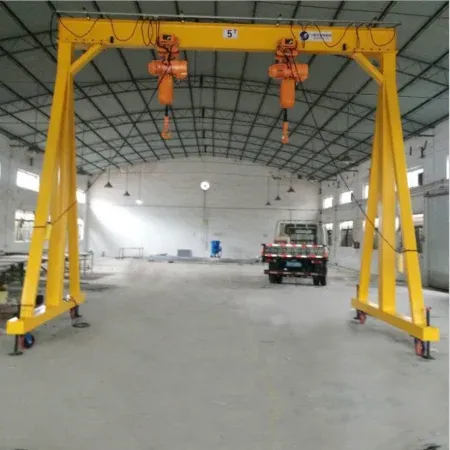
A portable electric mobile gantry crane is a freestanding lifting system equipped with:
- Electric wire rope hoist or chain hoist
- Heavy-duty wheels
- No floor rails
- Wireless and pendant remote control
- Adjustable lifting height (optional)
- Custom lifting capacities
Unlike an overhead crane, it does not require runway beams, building modifications, or permanent installation.
The crane can simply be moved to wherever lifting is needed.
Why an Overhead Crane May Be Overkill for Small Lifting Jobs
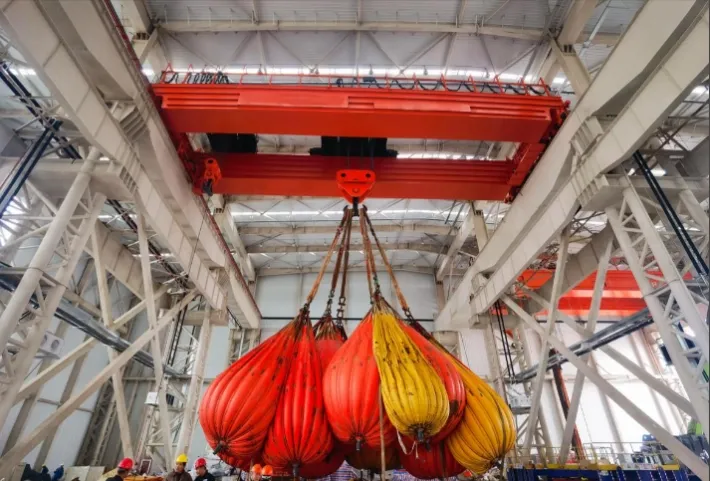
Overhead cranes are ideal for continuous production lines and heavy industrial applications.
However, if your lifting requirements are mostly:
- 1 ton equipment
- 2 ton machinery
- 3 ton molds
- motors
- pumps
- maintenance parts
- steel components
then an overhead crane often brings unnecessary costs.
Typical additional expenses include:
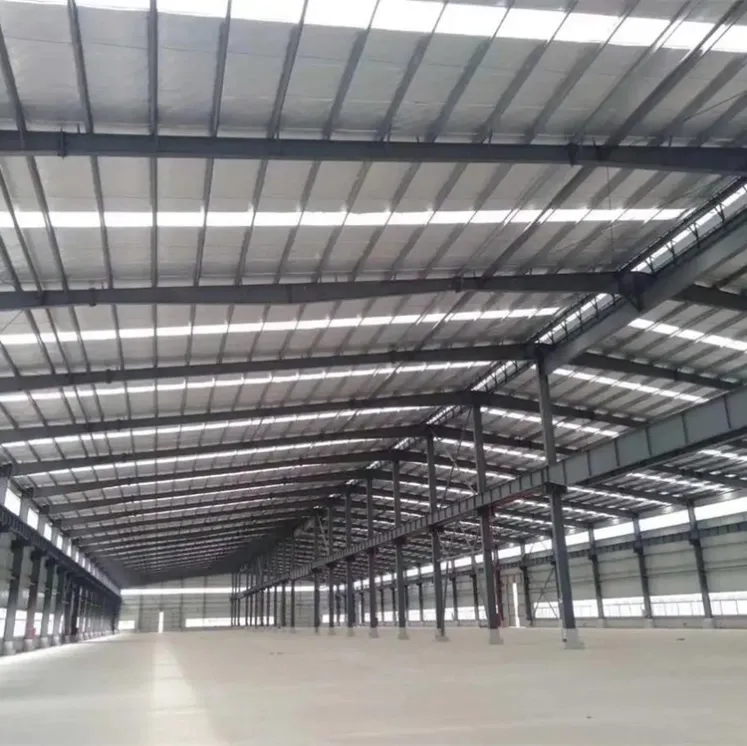
- Steel runway beams
- Building reinforcement
- Rail installation
- Electrical installation
- Civil construction
- Longer installation time
For occasional or medium-frequency lifting, much of this investment remains underutilized.
Advantages of a Portable Mobile Gantry Crane
1. No Rail Installation Required
The biggest advantage is its rail-free design.
Because the crane travels on wheels, it can operate in different work areas without installing expensive runway rails.
This makes it suitable for:
- Small factories
- Repair workshops
- Warehouses
- Equipment maintenance
- Mold changing
- Machine installation
2. Move the Crane Wherever You Need It
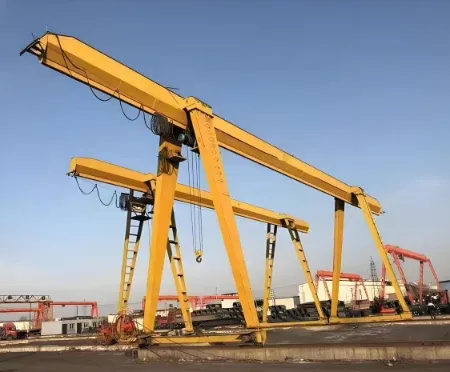
Traditional overhead cranes are limited to a fixed working area.
A portable gantry crane can be pushed or electrically driven between different workstations.
One crane can therefore serve multiple production areas, reducing equipment investment.
3. Easy Operation
Most electric mobile gantry cranes support:
- Wireless remote control
- Pendant control
- Variable-speed lifting
- One-person operation
Even operators with limited crane experience can quickly become familiar with the controls after proper training.
4. Lower Overall Investment
For many small and medium-sized businesses, installation costs can exceed the price of the lifting equipment itself.
A portable mobile gantry crane eliminates many of these expenses:
Item | Overhead Crane | Portable Mobile Gantry Crane |
|---|---|---|
Rail installation | Required | Not required |
Building modification | Usually required | Not required |
Installation time | Several days or weeks | Usually much faster |
Mobility | Fixed | Portable |
Initial investment | Higher | Lower |
In many applications, the total project cost can be significantly reduced.
5. Customizable for Different Applications
Portable electric gantry cranes can typically be customized with:
- Lifting capacity
- Span
- Lifting height
- Electric or manual travel
- Wheel type
- Power supply
- Hoist type
This flexibility allows buyers to match the equipment to their actual production needs rather than paying for unused capacity.
Common Industries Using Portable Gantry Cranes
These cranes are widely used in:
- Manufacturing plants
- Equipment maintenance workshops
- Mold factories
- Steel fabrication shops
- Warehouses
- Automotive repair facilities
- Construction projects
- Machinery assembly workshops
- Industrial maintenance departments
Should You Choose an Overhead Crane or a Portable Gantry Crane?
Choose an overhead crane if:
- You frequently lift heavy loads above 5–10 tons.
- Material handling follows fixed routes.
- Continuous production requires permanent lifting coverage.
- Your building is designed to support runway beams.
Choose a portable electric mobile gantry crane if:
- Most lifting tasks are between 1 and 3 tons.
- You need flexibility across different work areas.
- You want to avoid expensive rail installation.
- Your workshop layout changes regularly.
- You need a faster and more economical lifting solution.
Frequently Asked Questions
What lifting capacity is available?
Portable electric mobile gantry cranes are commonly available from 0.5 ton to 10 tons, with custom capacities available depending on the application.
Can one person operate the crane?
Yes. Most models support wireless remote control or pendant control, allowing a single trained operator to complete lifting tasks efficiently.
Does it require floor rails?
No.
A portable mobile gantry crane operates on heavy-duty wheels and does not require permanent floor rails.
Can the crane be customized?
Yes.
Manufacturers can customize:
- Capacity
- Span
- Height
- Hoist configuration
- Travel system
- Power supply
- Control method
to match your specific working conditions.
Conclusion
If your daily lifting work mainly involves 1–3 ton loads, purchasing a traditional overhead crane may result in unnecessary installation costs and underused capacity.
A portable electric mobile gantry crane provides an excellent balance of mobility, flexibility, and cost efficiency. With no rail installation, easy operation, and customizable configurations, it has become a practical lifting solution for workshops, warehouses, and maintenance operations worldwide.
Before selecting any lifting equipment, evaluate your lifting frequency, workspace, load size, and future expansion plans to ensure you invest in the solution that best fits your operational needs.