Jul 11, 2026Crane Knowledge
Single Girder vs. Double Girder Bridge Cranes
Single Girder vs. Double Girder Bridge Cranes: How to Choose the Right One for Your Facility
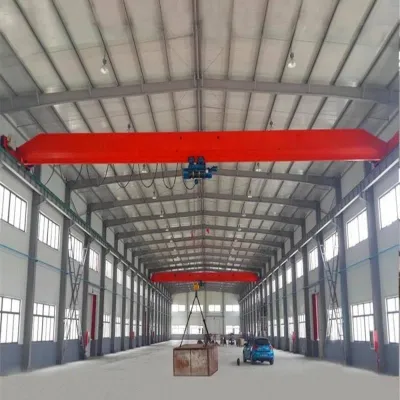
When equipping workshops, warehouses, or manufacturing plants with overhead lifting gear, bridge cranes are a top reliable choice. The two main types—single girder and double girder—require careful selection based on your operational needs, not just size or features. A wrong choice can waste money, hurt efficiency, or create safety risks. This guide breaks down key factors to pick the right crane for your facility.
Core Differences in Design and Structure
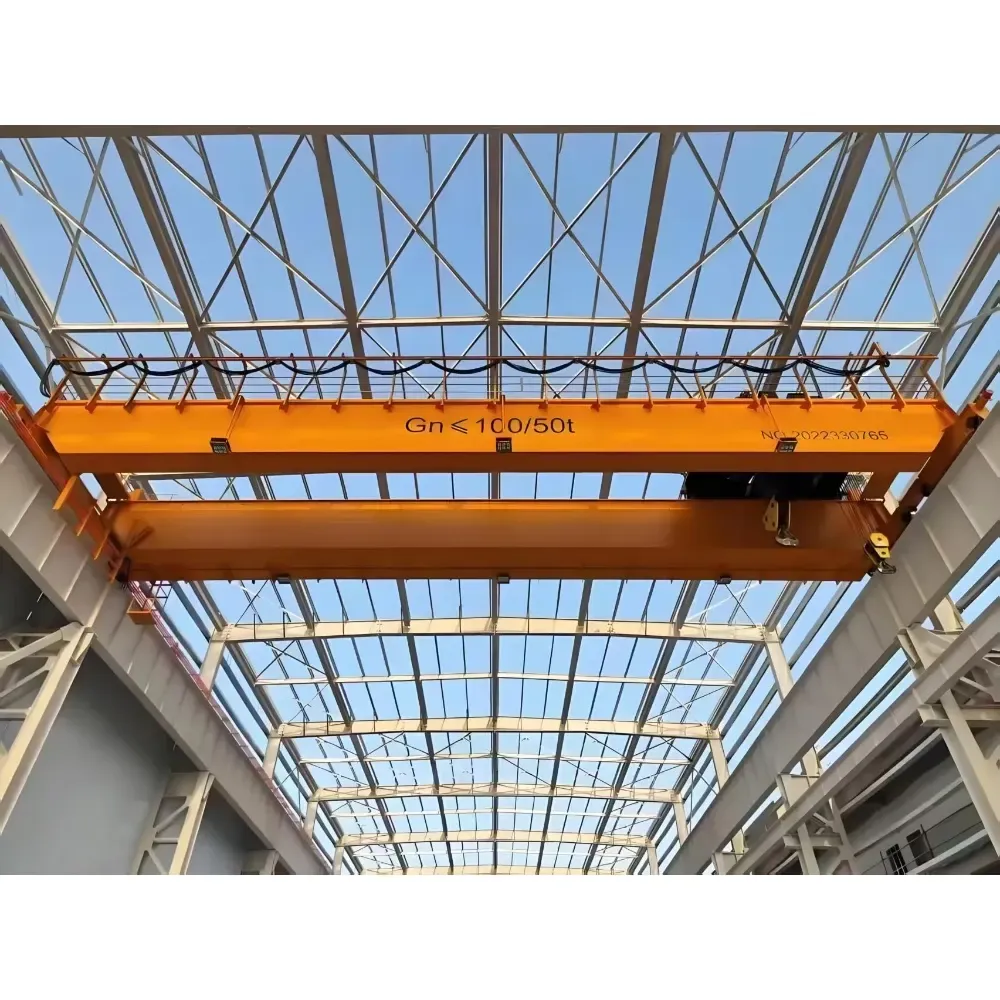
Understanding their structural differences is key to choosing. A single girder crane has one main beam with the hoist mounted below. It’s simple, lightweight, compact, and easy to install, saving space in your facility.Double girder cranes have two parallel beams, with the hoist between or on top of them. The dual-beam design boosts rigidity and stability, handling heavier loads and wider spans without excessive bending. It’s more robust but larger, heavier, and harder to install.
Key Factors to Guide Your Selection
1. Load Capacity Requirements
Load capacity is the most important factor. Single girder cranes handle 1–15 tons, perfect for light to medium tasks in small/medium workshops, assembly lines, or warehouses. They’re ideal for occasional, low-intensity lifting of parts, packaged goods, or raw materials.Double girder cranes are built for heavy-duty lifting, handling 10 tons up to hundreds of tons. They’re essential for heavy manufacturing, steel mills, ports, and construction sites that regularly lift bulky equipment or large industrial components.
2. Operational Frequency and Working Class
Crane working classes indicate operational frequency and intensity. Single girder cranes (A3–A5) suit intermittent use—2–3 hours daily, a few lifts per hour. They aren’t made for 24/7 operation, as this causes premature wear.Double girder cranes (A5–A8) handle frequent, repetitive lifting, even 24/7 for multi-shift facilities. They’re more durable for constant use; using a single girder crane for high-frequency heavy lifting leads to costly repairs and early replacement.
3. Span and Hook Height Needs
Span (distance between support rails) and hook height matter too. Single girder cranes work best for spans up to 25 meters—their light structure bends easily at longer spans, hurting accuracy and safety. Their under-beam hoist also limits maximum hook height.Double girder cranes excel at spans over 30 meters, with minimal bending for stable operation. Their mid-beam hoist frees up vertical space, ideal for tall facilities needing high hook heights for upper storage or elevated workstations.
4. Budget and Long-Term Cost Considerations
Upfront cost is a big factor for businesses. Single girder cranes are cheaper—they use less material, have simpler parts, and need less installation labor. They’re great for small businesses with tight budgets and light lifting needs.Double girder cranes cost more upfront, but their durability and low maintenance make them cost-effective long-term for heavy, frequent lifting. They break down less and last longer, offsetting initial costs. Using a single girder crane for heavy tasks leads to more downtime and repairs.
5. Facility Space and Infrastructure
Don’t overlook your facility’s infrastructure and space. Single girder cranes are light, so they put less stress on building supports (runway beams, columns). They’re perfect for older facilities with limited structural capacity, no extensive reinforcements needed.Double girder cranes are heavier, requiring stronger building supports—reinforcements may be needed, adding cost and time. Their larger size needs more space; they’re not ideal for facilities with low ceilings or narrow aisles.
When to Choose Single Girder vs. Double Girder: A Quick Summary
Choose a single girder crane if:
- Lifting loads ≤15 tons
- Needing intermittent lifting (2–3 hours daily)
- Span ≤25 meters, moderate hook height needs
- Budget is limited, facility has a lightweight frame
- Operating in small/medium workshops with light tasks
Choose a double girder crane if:
- Lifting loads >15 tons (or >10 tons for frequent use)
- Needing continuous, high-frequency lifting (multi-shift/24/7)
- Span >25 meters or high hook height required
- Facility handles heavy manufacturing, steel, port, or construction work
- Prioritizing long-term durability over upfront cost
Final Thoughts
Choosing between single and double girder cranes is about matching your facility’s needs. Start by assessing load capacity, operational frequency, span, hook height, budget, and infrastructure. For personalized advice, consult a professional crane manufacturer or installer.The right crane boosts productivity and safety for years. A poor choice leads to unnecessary costs and headaches, so take time to make an informed decision.