Aug 5, 2026Crane Knowledge
Why Heavy-Duty Lifting Above 20 Tons Requires a Double Girder Gantry Crane
Learn why heavy-duty lifting above 20 tons requires a double girder gantry crane for higher capacity, better stability, and longer service life.
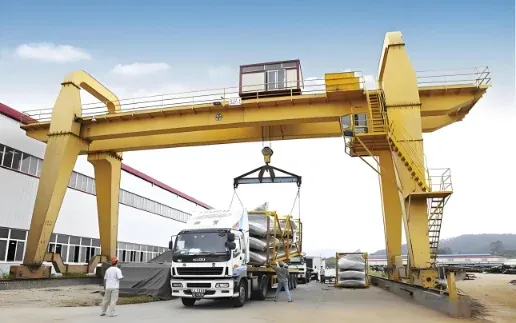
Why Choose a Double Girder Gantry Crane for Heavy Lifting Over 20 Tons?
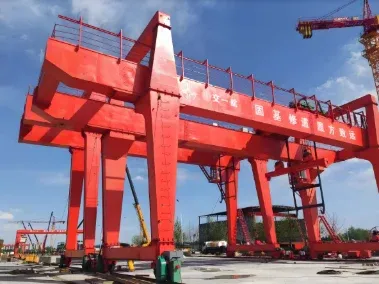
When lifting 20 tons or more, choosing the right gantry crane is critical for safety, productivity, and long-term operating costs.
While single girder gantry cranes are suitable for light and medium-duty applications, double girder gantry cranes are specifically designed for heavy-duty industrial lifting. Their stronger structure, better stability, and higher load capacity make them the preferred solution for demanding working environments.
If your project involves steel fabrication, precast concrete production, shipyards, or heavy material handling, a double girder gantry crane is often the better investment.
1. Higher Structural Strength for Heavy Loads
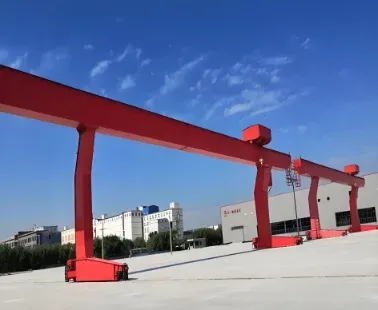
One of the biggest advantages of a double girder gantry crane is its higher structural strength.
Unlike single girder designs, the two-girder structure distributes the load more evenly, reducing stress on the main beams and improving overall rigidity.
Benefits include
- Higher load capacity
- Better resistance to structural deformation
- Longer service life
- Improved safety under continuous heavy-duty operation
2. Better Stability During Heavy Lifting
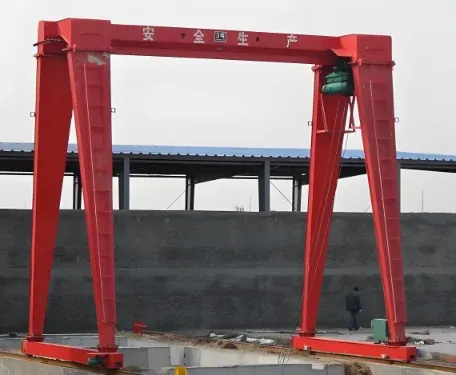
As lifting capacity increases, dynamic forces generated during starting, stopping, and traveling also increase.
A double girder structure provides:
- Better torsional resistance
- Reduced vibration
- Less load swinging
- Smoother crane travel
This allows operators to position heavy loads more accurately while improving workplace safety.
3. Designed for Continuous Heavy-Duty Operation
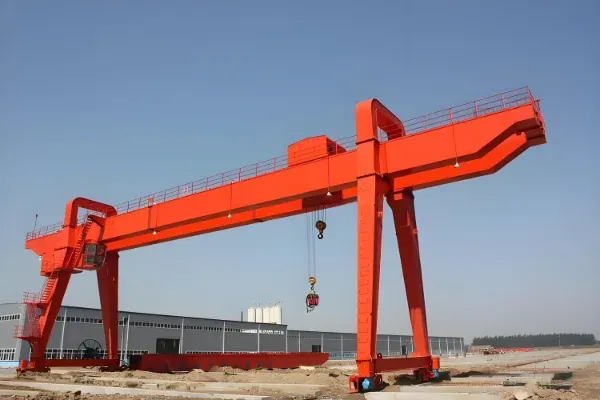
Factories handling steel plates, concrete components, heavy machinery, or large fabricated structures often operate cranes for many hours each day.
Double girder gantry cranes are designed for:
- High working duty cycles
- Continuous production
- Frequent lifting operations
- Long operating life
Compared with light-duty cranes, they maintain better performance under demanding conditions.
4. Ideal for Large Industrial Facilities
Heavy-duty gantry cranes are widely used in industries where large and heavy materials must be handled efficiently.
Typical applications include:
- Steel fabrication plants
- Precast concrete yards
- Railway construction
- Shipyards
- Wind power equipment manufacturing
- Heavy machinery workshops
For these industries, crane stability and durability are often more important than minimizing the initial purchase price.
5. Larger Working Space and Better Hoist Arrangement
Because the hoist travels on top of the two girders, a double girder gantry crane offers:
- Higher lifting height
- Larger working area
- Better hook approach
- Easier maintenance access
These features improve productivity when handling oversized equipment or large structural components.
Double Girder vs Single Girder Gantry Crane
Feature | Double Girder | Single Girder |
|---|---|---|
Capacity | 20–500 Tons | 1–20 Tons |
Structural Strength | Excellent | Moderate |
Stability | Excellent | Good |
Heavy-Duty Operation | Yes | Limited |
Lifting Height | Higher | Standard |
Maintenance Access | Easier | Standard |
Large Span | Better | Limited |
Best Application | Heavy Industry | General Manufacturing |
Is a Double Girder Gantry Crane Worth the Investment?
Although the initial investment is higher, many factories choose a double girder gantry crane because it provides:
- Higher productivity
- Lower structural stress
- Longer equipment lifespan
- Reduced downtime
- Better long-term value
For companies handling heavy loads every day, the total cost of ownership is often lower than repeatedly repairing or replacing undersized lifting equipment.
Conclusion
If your lifting application involves 20 tons or more, choosing a double girder gantry crane provides greater structural strength, improved stability, and higher operational efficiency.
Whether you work in steel fabrication, precast concrete production, or heavy industrial manufacturing, investing in the right crane system can improve productivity while reducing long-term maintenance costs.
Selecting the appropriate lifting capacity, span, lifting height, and duty classification is essential to achieving safe and reliable performance.
Contact Wanli Crane
Looking for a reliable heavy-duty gantry crane?
Wanli Crane provides customized lifting solutions, including:
- Double Girder Gantry Cranes
- Single Girder Gantry Cranes
- Semi Gantry Cranes
- European Style Gantry Cranes
- Electric Wire Rope Hoists
Our engineering team can recommend the right crane based on your lifting capacity, span, lifting height, and working conditions.
Contact us today for a free technical consultation and quotation.
Frequently Asked Questions (FAQ)
1. Why choose a double girder gantry crane instead of a single girder crane?
Double girder gantry cranes provide greater load capacity, improved rigidity, and better stability, making them ideal for lifting loads above 20 tons or for continuous heavy-duty operation.
2. What industries commonly use double girder gantry cranes?
They are widely used in steel fabrication plants, precast concrete yards, shipyards, railway projects, heavy equipment manufacturing, and logistics centers handling oversized loads.
3. What lifting capacity is suitable for a double girder gantry crane?
Double girder gantry cranes are commonly available from 20 tons to over 500 tons, depending on the project requirements and crane design.
4. Can a double girder gantry crane be customized?
Yes. Most manufacturers can customize lifting capacity, span, lifting height, duty classification, control methods, and power supply to meet specific application needs.
5. Does a double girder gantry crane require more maintenance?
Not necessarily. While it has more structural components than a single girder crane, regular preventive maintenance ensures reliable operation and long service life.
6. How do I choose the right gantry crane for my project?
Consider factors such as lifting capacity, span, lifting height, duty cycle, operating environment, and the type of materials being handled. Consulting with an experienced crane manufacturer can help determine the most suitable configuration.