Aug 10, 2026Maintenance
3 Common KBK Crane Mistakes That Cause Premature Failures
Learn the 3 common KBK crane mistakes that can cause premature wear and failures: side pulling, overloading and poor maintenance. See how to maintain a KBK crane safely.
3 Common KBK Crane Mistakes That Can Cause Premature Failures
Why can one KBK crane operate for 10 years with relatively few problems, while another starts having frequent failures after only 2 years?
In many cases, the difference is not simply the equipment itself.
Operating habits and maintenance practices matter.
A KBK crane system is designed to work within specific load and operating conditions. Incorrect operation, overloading and poor inspection can accelerate wear and increase the risk of equipment problems.
Here are 3 common mistakes that every workshop should avoid.
What Is a KBK Crane?
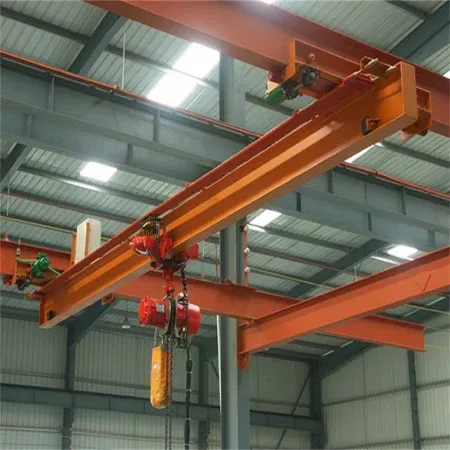
A KBK crane is a flexible workstation crane system used for lifting and moving materials within workshops, production lines and assembly areas.
Compared with a conventional overhead crane, a KBK system is often used for more localized and repetitive material handling.
A typical KBK system may include:
- KBK suspension rails
- Trolley
- Electric hoist
- End stops
- Suspension components
- Rail connections
- Control system
- Lifting accessories
Because these components work together, proper operation and regular inspection are important for maintaining reliable performance.
Mistake 1: Pulling the Load Sideways
This is one of the most common operating mistakes.
The correct lifting position is:
Load → directly below the hook
But sometimes a worker sees a load that is slightly away from the trolley.
Instead of moving the trolley or crane to the correct position, the worker pulls the load sideways.
This is called side pulling or side loading.
Why is side pulling a problem?
A KBK crane is primarily designed for vertical lifting.
When the load is pulled sideways, additional horizontal forces can be introduced into the lifting system and supporting structure.
Repeated side pulling may contribute to:
- Increased trolley wear
- Additional stress on rail components
- Faster wear of wheels and moving parts
- Abnormal movement
- Damage to lifting equipment
- Increased maintenance requirements
The exact effect depends on the system design, load and operating conditions.
The correct method
Before lifting:
Move the trolley or crane so that the hook is directly above the load.
Then lift vertically.
Do not use the hoist to pull a load sideways simply because it is faster.
A few seconds saved during one lifting operation can create unnecessary stress on the equipment.
Mistake 2: Overloading the KBK Crane
Every KBK crane has a rated lifting capacity.
For example:
500 kg, 1 ton, 2 tons, etc.
But in some workshops, workers may think:
"The load is only slightly heavier. It should be fine."
This is a dangerous habit.
If a crane is rated for 1 ton, regularly lifting more than the rated capacity is not an acceptable operating method.
What Can Overloading Cause?
Repeated overloading can increase stress on:
- Hoist components
- Trolley components
- Rails
- Suspension components
- Lifting accessories
- Hooks and related components
Repeated excessive loading can contribute to fatigue and premature wear.
More importantly, the consequences of a lifting equipment failure can be serious.
Do Not Judge Load Weight by Experience
One common mistake is estimating the load by eye.
A component may look small but still be very heavy.
Whenever there is uncertainty, use a suitable weighing method or confirm the actual load weight before lifting.
Follow the Rated Capacity
The basic rule is simple:
Never exceed the rated capacity of the KBK crane system.
If your production requirements have changed and the existing crane capacity is no longer sufficient, consider upgrading or redesigning the system instead of repeatedly overloading it.
Mistake 3: Never Inspecting the KBK System
This may be the most overlooked problem.
Some factories inspect their machines only after something goes wrong.
A bolt becomes loose.
A trolley becomes noisy.
A hook safety latch is damaged.
The operator notices a problem only when the equipment has already developed a fault.
This is the wrong approach.
Inspection should happen before failure.
What Should You Check on a KBK Crane?
The exact inspection requirements depend on the equipment design, manufacturer instructions and applicable local regulations.
However, several components deserve regular attention.
1. Rail Connections
Check the KBK rail joints and connection components for:
- Loose fasteners
- Visible damage
- Abnormal movement
- Deformation
- Signs of wear
Loose or damaged connections should be addressed before continued operation.
2. Trolley Wheels
Check the trolley for:
- Abnormal noise
- Uneven movement
- Wheel wear
- Sticking
- Difficulty travelling
- Visible damage
If the trolley suddenly becomes harder to move, do not simply continue operating it.
Investigate the cause.
3. Hook and Safety Latch
The hook is a critical lifting component.
Check for:
- Visible deformation
- Cracks or damage
- Excessive wear
- Damaged safety latch
- Abnormal hook condition
The safety latch should work correctly and should not be ignored during inspections.
4. Hoist and Control System
Also pay attention to:
- Abnormal noise
- Unusual vibration
- Control problems
- Brake performance
- Wire rope or chain condition
- Emergency stop function
If an abnormal condition is found, the equipment should be taken out of service when necessary and inspected by qualified personnel.
How Often Should a KBK Crane Be Inspected?
There is no single inspection frequency that applies to every KBK crane in every country.
The correct inspection schedule should follow:
- Manufacturer's instructions
- Applicable crane safety standards
- Local regulations
- Actual operating frequency
- Working environment
- Equipment condition
For a frequently used workshop crane, many factories establish a routine inspection program with regular operator checks and periodic detailed inspections.
For example, a factory may create a monthly checklist covering key components such as rail connections, trolley wheels, hooks and safety devices.
For heavily used systems, additional inspections may be appropriate.
The important point is:
Do not wait until the crane fails before checking it.
Daily Operator Check vs. Periodic Inspection
These two types of inspection should not be confused.
Daily or Pre-Shift Check
The operator can visually check for obvious problems such as:
- Abnormal noise
- Damaged hook
- Problems with controls
- Visible wire rope or chain damage
- Abnormal trolley movement
- Obvious obstacles or damage
This type of check is quick and helps identify obvious problems before operation.
Periodic Inspection
A more detailed inspection should be carried out according to the manufacturer's maintenance instructions and applicable requirements.
This may include checking:
- Rail connections
- Suspension components
- Trolley wheels
- Hoist mechanisms
- Brake system
- Electrical components
- Lifting accessories
- Structural condition
Qualified personnel should handle inspections and repairs that require technical knowledge.
Why Do Some KBK Cranes Fail Earlier Than Others?
It is easy to blame the equipment when a problem occurs.
But equipment service life is affected by many factors.
For example:
Crane A
- Correct vertical lifting
- No regular overloading
- Routine inspection
- Proper maintenance
- Operators follow procedures
Crane B
- Frequent side pulling
- Regular overloading
- No inspection
- Poor maintenance
- Operators use shortcuts
Even if both cranes were originally designed with similar specifications, their operating conditions can be very different.
This is why proper operation and maintenance are part of crane performance.
3 KBK Crane Rules Every Operator Should Remember
If you want to keep the message simple for workers, remember these three rules:
Rule 1: Lift Vertically
Keep the hook directly above the load.
Do not side pull.
Rule 2: Never Overload
Know the rated capacity.
Do not lift beyond it.
Rule 3: Inspect Regularly
Check critical components before problems become failures.
Do not wait for the crane to break.
These three simple habits can help reduce unnecessary wear and improve the reliability of a KBK workstation crane system.
Simple KBK Crane Maintenance Checklist
A factory can create a simple inspection checklist such as:
Item | What to Check |
|---|---|
KBK rail | Damage, deformation, abnormal condition |
Rail connections | Loose or damaged fasteners |
Trolley | Smooth movement, abnormal noise |
Wheels | Wear or damage |
Hook | Deformation, cracks, wear |
Safety latch | Correct operation |
Hoist | Noise, vibration, brake condition |
Wire rope/chain | Wear or visible damage |
Controls | Correct operation |
Emergency stop | Correct operation |
This checklist is only a general reference.
The actual maintenance and inspection requirements should always follow the manufacturer's manual and applicable local safety requirements.
What Should You Do If You Find a Problem?
Do not try to "finish today's work first" if a critical lifting component appears unsafe.
A simple procedure is:
Stop → Isolate → Inspect → Repair → Test → Return to service
If the problem involves a critical structural, lifting or safety component, it should be assessed and repaired by qualified personnel.
Never continue lifting simply because the equipment can still move.
FAQ About KBK Crane Maintenance
How long can a KBK crane last?
There is no fixed service life that applies to every KBK crane.
Service life depends on load spectrum, operating frequency, environment, maintenance, installation quality and operating practices.
A well-maintained system operated within its design conditions can generally provide much longer and more reliable service than equipment that is frequently overloaded or poorly maintained.
Can I pull a load sideways with a KBK crane?
No.
Unless the equipment is specifically designed and approved for that operation, a KBK crane should be used for vertical lifting.
Position the trolley so that the hook is directly above the load before lifting.
Can I lift slightly more than the rated capacity?
No.
The rated capacity should not be exceeded.
If your normal production load is greater than the existing capacity, the correct solution is to review the crane system rather than repeatedly overload it.
How often should a KBK crane be inspected?
Inspection frequency depends on the manufacturer's requirements, local regulations, operating frequency and working environment.
Operators should perform appropriate pre-use checks, while periodic inspections and maintenance should follow the applicable requirements.
What parts of a KBK crane need regular inspection?
Important components include rail connections, suspension components, trolley wheels, hooks, safety latches, hoists, wire ropes or chains, brakes and control systems.
The exact checklist should be based on the specific KBK system.
Why does my KBK trolley make unusual noise?
Possible causes include wheel wear, rail problems, alignment issues, contamination, mechanical wear or other equipment problems.
Do not assume the noise is normal.
Stop and inspect the system according to the manufacturer's maintenance procedure.
Is KBK crane maintenance expensive?
Maintenance costs depend on the system, operating conditions and usage frequency.
Regular inspection can help identify small problems before they develop into more expensive repairs or production downtime.
Final Advice: Good Equipment Can Also Be Damaged by Bad Habits
A KBK crane does not become reliable simply because it is new.
The way the equipment is operated and maintained has a major influence on its long-term performance.
Remember the three biggest mistakes:
1. Side pulling
2. Overloading
3. Ignoring regular inspection
Avoid these habits, follow the manufacturer's operating instructions, and establish a practical inspection and maintenance program.
If your KBK crane has started making unusual noises, moving abnormally or showing visible damage, do not wait for a complete failure.
Check it before the problem becomes a shutdown.