Aug 28, 2026Maintenance
7 Overhead Crane Operating Mistakes That Shorten Service Life
Learn seven common overhead crane operating mistakes, including overloading, side pulling, sudden braking and misuse of limit switches, and how to prevent costly crane damage.
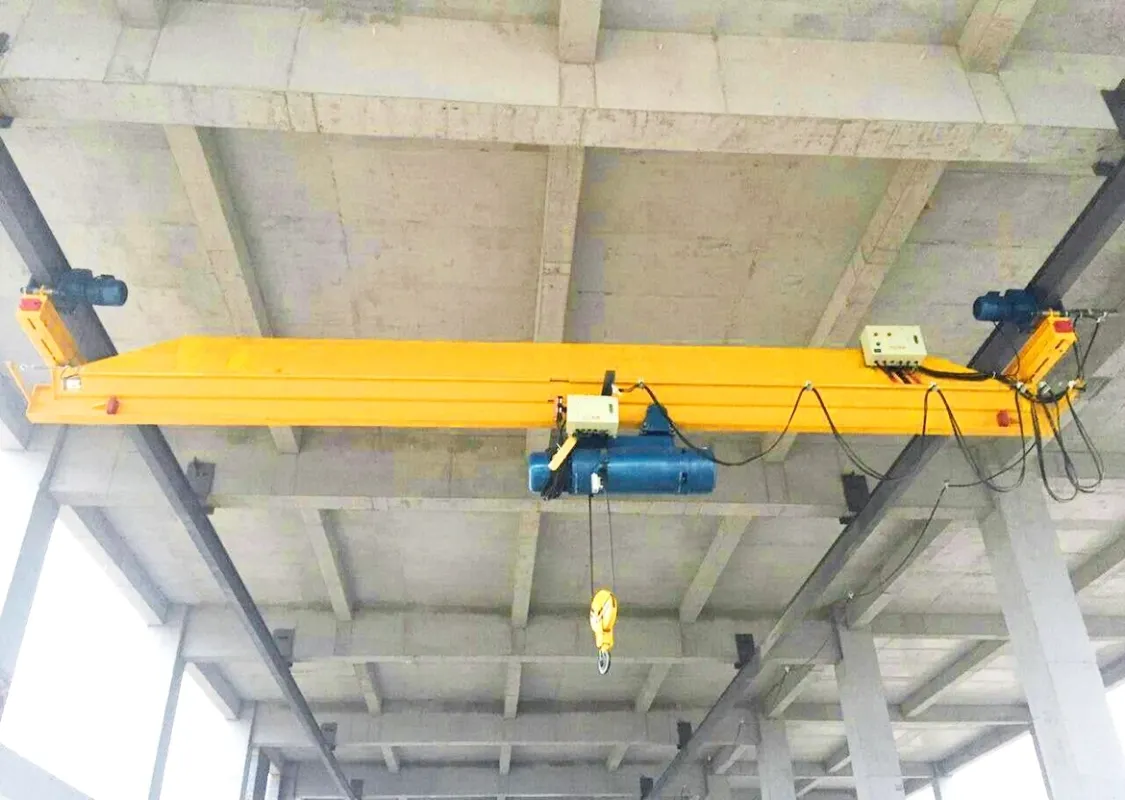
7 Overhead Crane Operating Mistakes That Shorten Service Life
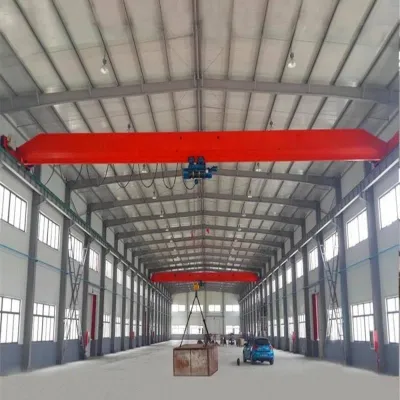
An overhead crane may appear strong, but incorrect daily operation can rapidly damage its wire rope, brake, motor, gearbox and electrical components.
Many crane failures do not happen suddenly. They begin with repeated overloading, abrupt starting, side pulling or ignoring abnormal sounds. These habits create additional stress and gradually turn minor problems into expensive repairs.
The following seven overhead crane operating mistakes are common in factories and should be avoided.
1. Overloading the Overhead Crane
Every overhead crane and electric hoist has a specified rated lifting capacity. Lifting beyond this limit places excessive stress on the complete load-bearing system.
Long-term overloading may cause:
- Accelerated wire-rope wear
- Hook or pulley deformation
- Motor overheating
- Brake damage
- Main girder deformation
- Cracked welds
- Increased risk of dropped loads
Even when an overloaded crane successfully lifts the load, it does not mean the operation is safe.
An overload limiter is only a protective device. It should not be used as a substitute for checking the actual load weight.
Safe practice: Confirm the weight of the load before lifting and never exceed the crane’s rated capacity.
2. Using the Brake as a Speed-Control Device
The crane brake is primarily designed to stop and hold the mechanism. It should not be repeatedly used as the main method of controlling travel or lifting speed.
Frequent braking generates heat and accelerates wear on components such as:
- Brake linings
- Brake wheels or discs
- Couplings
- Shafts
- Gears
- Transmission components
For operations that require accurate positioning or frequent speed changes, a two-speed or variable-frequency crane may be more suitable.
Safe practice: Operate at the correct speed, decelerate smoothly and use the brake according to the manufacturer’s operating instructions.
3. Starting and Stopping Too Suddenly
Sudden starts, rapid lifting and abrupt stops produce shock loads that can be much greater than the normal static load.
These operations also cause the suspended load to swing continuously. Repeated impact can accelerate wear on:
- Wire ropes
- Hooks and pulleys
- Motors
- Gearboxes
- Couplings
- End carriages
- Crane wheels
- Main girder connections
Load swinging also increases the risk of collision with workers, equipment or nearby structures.
Safe practice: Start, accelerate, decelerate and stop progressively. Use low-speed or variable-frequency control when handling fragile or accurately positioned loads.
4. Side Pulling or Dragging Loads
An overhead crane is designed mainly for vertical lifting. Side pulling happens when the hook is not positioned directly above the load before lifting.
This creates horizontal forces that may cause:
- Wire rope rubbing against the drum or rope guide
- Uneven rope winding
- Damaged rope grooves
- Hook block swinging
- Trolley side loading
- Load instability
- Dropped-load accidents
Dragging a load across the floor with the crane is also unsafe unless the system has been specifically designed and approved for that operation.
Safe practice: Move the crane and trolley until the hook is vertically aligned with the load’s centre of gravity before lifting.
5. Using the Limit Switch for Routine Stopping
Limit switches are safety devices intended to prevent a mechanism from travelling beyond its permitted range. They are not normal stopping controls.
Frequently allowing the hook, trolley or bridge to strike its limit can:
- Damage the limit switch
- Create impact on the rope drum
- Stress the wire rope
- Damage the hook block
- Increase wear on electrical contacts
- Reduce the reliability of emergency protection
Once a limit switch fails, the crane may no longer stop safely at the end of its travel.
Safe practice: Release the control button before reaching the travel limit. Never intentionally use a limit switch as the normal stopping method.
6. Plugging or Reversing Direction to Stop the Crane
Plugging means suddenly selecting the opposite travel direction while the crane is still moving. Some operators use this method to stop the bridge or trolley more quickly.
However, immediate reversal produces a strong mechanical and electrical shock. It may damage:
- Electric motors
- Gearboxes
- Couplings
- Drive shafts
- Crane wheels
- Contactors
- Frequency converters
- Structural connections
It can also cause the load to swing violently.
Safe practice: Bring the crane to a controlled stop before selecting the opposite direction, unless the control system is specifically designed for safe reversing.
7. Ignoring Abnormal Noise or Hook Slippage
Unusual sounds, vibration, burning smells and hook slippage are warning signs—not normal characteristics of an ageing crane.
Common warning signs include:
- Grinding or knocking sounds
- Brake noise
- Motor overheating
- Irregular crane travel
- Excessive vibration
- Wire rope jumping or overlapping
- Hook slowly moving downward after stopping
- Oil leakage from the gearbox
Hook slippage may indicate brake wear, incorrect brake adjustment or another lifting-mechanism fault. Continuing operation could result in uncontrolled load movement.
Safe practice: Stop the crane, isolate the power and arrange an inspection by qualified personnel. Do not continue lifting until the cause has been identified and corrected.
How to Extend Overhead Crane Service Life
Correct operation and preventive maintenance work together. Factories can reduce failures by following these practices:
Train Crane Operators
Operators should understand the rated capacity, controls, warning signs and prohibited operations of the specific crane they use.
Complete Pre-Shift Inspections
Before operation, inspect important components such as:
- Wire rope or lifting chain
- Hook and safety latch
- Brakes
- Controls
- Limit switches
- Warning devices
- Crane travel path
Follow a Preventive Maintenance Schedule
Brakes, wire ropes, motors, gearboxes, wheels and electrical components should be inspected and maintained at suitable intervals.
Maintenance frequency should be based on the crane duty class, operating environment, usage frequency and manufacturer’s instructions.
Record Abnormal Conditions
Operators should report unusual noise, vibration, overheating or unstable movement immediately. Maintenance records make it easier to identify repeated faults.
Choose the Correct Crane Configuration
If the crane is frequently used near its maximum capacity or requires many starts and stops, the selected duty class may be too low.
A crane with an appropriate duty class, variable-frequency control and suitable safety devices can provide more reliable operation.
Conclusion
Overloading, side pulling and sudden reversing may save a few seconds during operation, but they can substantially increase equipment wear and accident risk.
Limit switches should not be used for routine stopping, and abnormal noise or hook slippage should never be ignored. Small faults are usually easier and less expensive to repair when detected early.
Standardised operation, regular inspection and timely maintenance are the most practical ways to extend overhead crane service life and reduce unplanned downtime.
If your overhead crane frequently develops brake, wire-rope, motor or gearbox problems, send us its capacity, span, lifting height, duty cycle and fault information. We can help you identify possible causes and suitable replacement parts.
Frequently Asked Questions
1. What is the most damaging overhead crane operating mistake?
Overloading is among the most dangerous mistakes because it affects the wire rope, hook, brake, hoist mechanism and main structure simultaneously. It also greatly increases the risk of a dropped load.
2. Can an overhead crane lift slightly more than its rated capacity?
No. Operators should not intentionally exceed the crane’s rated capacity. If the load weight is uncertain, verify it before lifting.
3. Why does sudden starting damage a crane?
Sudden acceleration creates shock loading and load swing. Repeated shocks accelerate wear on the hoist, motor, gearbox, wire rope and structural connections.
4. Can a crane limit switch be used to stop the hook every time?
No. A limit switch is an emergency or protective device, not a routine stopping control. Frequent activation can damage the switch and reduce its reliability.
5. Why is side pulling dangerous?
Side pulling creates forces that the crane may not be designed to withstand. It can damage the wire rope and rope guide, destabilise the load and increase the risk of falling objects.
6. What should operators do when a crane makes an abnormal noise?
Stop operation, secure the area and isolate the crane according to site procedures. A qualified technician should inspect it before it returns to service.
7. What causes an overhead crane hook to slip downward?
Possible causes include worn brake linings, incorrect brake adjustment, contaminated braking surfaces or mechanical faults. Stop using the crane until it has been inspected and repaired.