Aug 31, 2026Maintenance
Why Does an Electric Hoist Keep Breaking Down? Causes and Solutions
Learn why electric hoists frequently fail and how duty cycle, working conditions, load capacity, maintenance, and correct operation affect service life.
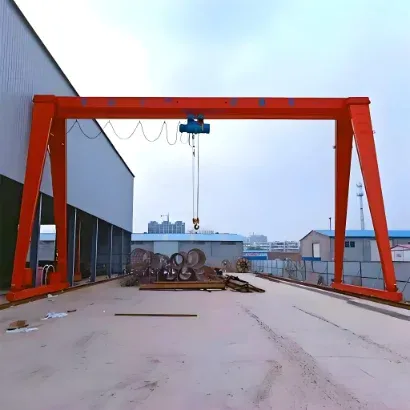
Why Does an Electric Hoist Keep Breaking Down?
An electric hoist that frequently breaks down is not necessarily a low-quality product. In many cases, the real problem is that the hoist configuration does not match its operating frequency and working conditions.
Many buyers select an electric hoist based only on lifting capacity. For example, they assume that a 5-ton hoist is suitable whenever the maximum load is below 5 tons. However, lifting capacity is only one part of hoist selection.
A suitable electric hoist must also match:
- Daily operating frequency
- Average lifting load
- Lifting height
- Required lifting speed
- Working environment
- Crane duty class
- Number of starts per hour
Ignoring these factors can cause frequent motor overheating, brake wear, wire rope damage and gearbox failure.
1. The Hoist Duty Cycle Is Too Low
Two electric hoists with the same lifting capacity may be designed for completely different workloads.
A standard-duty hoist may work reliably in a repair workshop where it is used only several times per day. The same hoist may frequently overheat if installed on a busy production line that performs continuous lifting operations.
Frequent starting, stopping and reversing place additional stress on:
- Hoist motor
- Electromagnetic brake
- Contactor
- Gearbox
- Wire rope
- Electrical control system
For high-frequency operation, buyers should select a hoist with an appropriate duty class, motor rating and braking system.
2. The Working Environment Is Too Harsh
The operating environment directly affects the service life of an electric hoist.
Dust, high temperature, humidity, corrosive gas and outdoor rain can damage electrical and mechanical components. For example:
- Dust can enter the motor and reduce heat dissipation.
- Humidity can cause electrical insulation problems.
- Corrosive gas can damage the wire rope and metal structure.
- High temperatures can cause the motor to overheat more quickly.
- Rain can damage electrical components without proper protection.
In harsh environments, the hoist may require a higher protection grade, corrosion-resistant coating, heat-resistant components or a weatherproof cover.
3. Frequent Operation Causes Faster Component Wear
Every electric hoist contains wearing parts. The more frequently the equipment operates, the faster these parts wear.
Components that require regular inspection include:
- Wire rope
- Rope guide
- Hook and safety latch
- Brake pads
- Motor
- Gearbox
- Drum
- Limit switch
- Contactor and control button
If inspection and maintenance are delayed, a small problem can gradually damage other components and cause a longer shutdown.
4. Overloading Shortens Hoist Service Life
An electric hoist must never lift more than its rated capacity.
Overloading increases stress on the motor, brake, wire rope, hook and gearbox. Even if the hoist appears to complete the lift, repeated overloading can cause permanent damage.
Possible consequences include:
- Motor overheating or burning
- Brake slipping
- Wire rope deformation
- Hook damage
- Gear and bearing failure
- Load dropping
- Structural deformation
When the actual load is close to the rated capacity for long periods, a higher-capacity or higher-duty hoist may be necessary. The selection should be confirmed through working-condition calculations rather than guesswork.
5. Incorrect Operation Causes Unnecessary Damage
Even a well-designed electric hoist cannot withstand continuous improper operation.
Common operating mistakes include:
- Pulling the load sideways
- Lifting an unknown or overloaded load
- Repeatedly pressing the start and stop buttons
- Using the limit switch as a normal stopping device
- Reversing direction before the hoist stops
- Dragging loads along the ground
- Allowing the wire rope to become loose or tangled
- Continuing operation after abnormal noise appears
Operators should receive basic training and stop the equipment immediately when they notice unusual noise, brake slipping, vibration or wire rope damage.
6. Poor Maintenance Turns Small Problems into Major Failures
Preventive maintenance costs much less than replacing a motor, gearbox or wire rope after a serious breakdown.
A practical inspection plan should cover:
Daily inspection
- Check the brake response.
- Inspect the hook and safety latch.
- Confirm that the wire rope is correctly arranged.
- Listen for abnormal noise.
- Test the upper and lower limit switches.
Regular inspection
- Measure brake wear.
- Lubricate the wire rope and gears as required.
- Check electrical connections.
- Inspect the rope guide and drum.
- Tighten loose bolts.
- Check the motor temperature and insulation.
- Replace damaged components promptly.
The inspection frequency should be increased when the hoist is used continuously or operates in a dusty, humid or corrosive environment.
How to Select the Right Electric Hoist
Before purchasing an electric hoist, provide the supplier with the following information:
- Maximum lifting load
- Average lifting load
- Lifting height
- Number of lifting cycles per hour
- Daily operating hours
- Indoor or outdoor installation
- Ambient temperature
- Dust, humidity or corrosive conditions
- Required lifting speed
- Power supply voltage and frequency
This information helps the supplier determine the correct capacity, duty class, motor, brake, wire rope and electrical protection.
Conclusion
Electric hoist selection should not be based only on lifting capacity. Operating frequency, working conditions, duty class and component configuration are equally important.
A properly selected hoist may have a higher initial cost, but it can reduce breakdowns, maintenance expenses and production downtime over its service life.
Most importantly, never overload or misuse the equipment. No matter how strong or expensive an electric hoist is, repeated improper operation will eventually damage it.
FAQ
1. Why does an electric hoist motor frequently overheat?
Common causes include excessive operating frequency, overloading, low voltage, poor ventilation, brake problems and a motor duty rating that does not match the application.
2. Can I select an electric hoist based only on lifting capacity?
No. You should also consider lifting frequency, daily operating hours, lifting height, working environment, lifting speed and required duty class.
3. Why does the electric hoist brake wear quickly?
Frequent starting and stopping, overloading, incorrect adjustment and using the brake as a speed-control device can accelerate brake wear.
4. How often should an electric hoist be inspected?
Operators should perform basic checks before each shift. Detailed inspection intervals should follow the manufacturer’s manual, local regulations and the actual operating frequency.
5. What should I do if the hoist makes an abnormal noise?
Stop operation, unload the hoist safely and inspect the motor, brake, gearbox, bearings, drum and wire rope. Do not continue using it until the cause is confirmed.
6. Is a larger-capacity electric hoist always more durable?
No. A larger lifting capacity does not automatically provide the correct operating frequency, speed, protection grade or duty class. The full configuration must match the application.