Aug 3, 2026Maintenance
Electric hoist side pulling damage
Discover how side pulling damages electric hoists, wire ropes, drums, and rope guides. Learn safe lifting practices to reduce downtime and maintenance costs.
Why Electric Hoists Fail Frequently: The Hidden Damage Caused by Side Pulling
If your electric hoist keeps failing, overloading is not the only reason. In many factories, workshops, and construction sites, operators often use the hoist to pull loads sideways instead of lifting them vertically. It may look faster in the short term, but this habit can cause serious hidden damage that accumulates over time.
Side pulling (also called side loading, angled lifting, or diagonal pulling) is one of the most common causes of premature wear in wire rope electric hoists used on overhead cranes, gantry cranes, and jib cranes.
In this article, we will explain:
- What side pulling is
- Why it damages electric hoists
- Which parts fail first
- How to prevent rope disorder and guide damage
- Best practices for safe hoist operation
What Is Side Pulling on an Electric Hoist?

Side pulling occurs when the wire rope is not vertical during lifting. Instead of positioning the hook directly above the load, the operator drags or pulls the load at an angle.
Common situations include:
- Pulling a load toward the operator
- Dragging a mold or machine part sideways
- Lifting while the crane is still traveling
- Trying to align a load without repositioning the crane
This practice is unsafe even when the load is within the rated capacity of the hoist.
Why Side Pulling Is More Dangerous Than Many People Think
Overloading is easy to notice because the hoist struggles to lift the load. Side pulling is different. The hoist may appear to work normally, while internal components are being damaged little by little.
Hidden damage caused by side loading
Rope guide wear and breakage
The rope guide is designed for vertical winding, not angled pulling.
Uneven drum winding
The rope cannot enter the drum grooves correctly under side load.
Wire rope distortion and crushing
Extra lateral force bends and damages the rope structure.
Rope jumping and disorder on the drum
The rope may overlap, cross, or come out of the groove.
Bearing and gearbox stress
Additional horizontal force is transmitted into rotating parts.
The repair cost of these failures is often much higher than the time saved by pulling the load sideways.
The Rope Guide Is Usually the First Part to Fail

The rope guide keeps the wire rope aligned on the drum. When the rope is pulled at an angle, the guide receives abnormal lateral force.
Typical symptoms
- Cracked rope guide
- Excessive wear
- Broken guide segments
- Metal chips around the drum
- Abnormal noise during lifting
Once the rope guide is damaged, the wire rope can no longer wind evenly, leading to rope disorder (cross winding or bird nesting).
How Side Pulling Damages the Wire Rope
A wire rope is designed mainly for tension in a straight line. Side pulling introduces bending and lateral pressure.

Common wire rope damage
- Flattened strands
- Broken wires
- Kinks
- Local crushing
- Uneven wear
If you notice broken wires concentrated in one area, side loading may be the real cause rather than normal wear.
Rope Disorder on the Drum: A Costly Consequence
When the rope does not enter the drum groove correctly, it may overlap previous layers.

What happens next?
- The rope is squeezed by the next layer.
- The rope diameter changes.
- The hoist vibrates during lifting.
- The rope may jump out of the groove.
- In severe cases, the rope can become jammed or damaged beyond repair.
Replacing a wire rope and rope guide is far more expensive than operating the hoist correctly from the beginning.
Side Pulling on Overhead Cranes and Gantry Cranes
This problem is not limited to small hoists. It is common on:
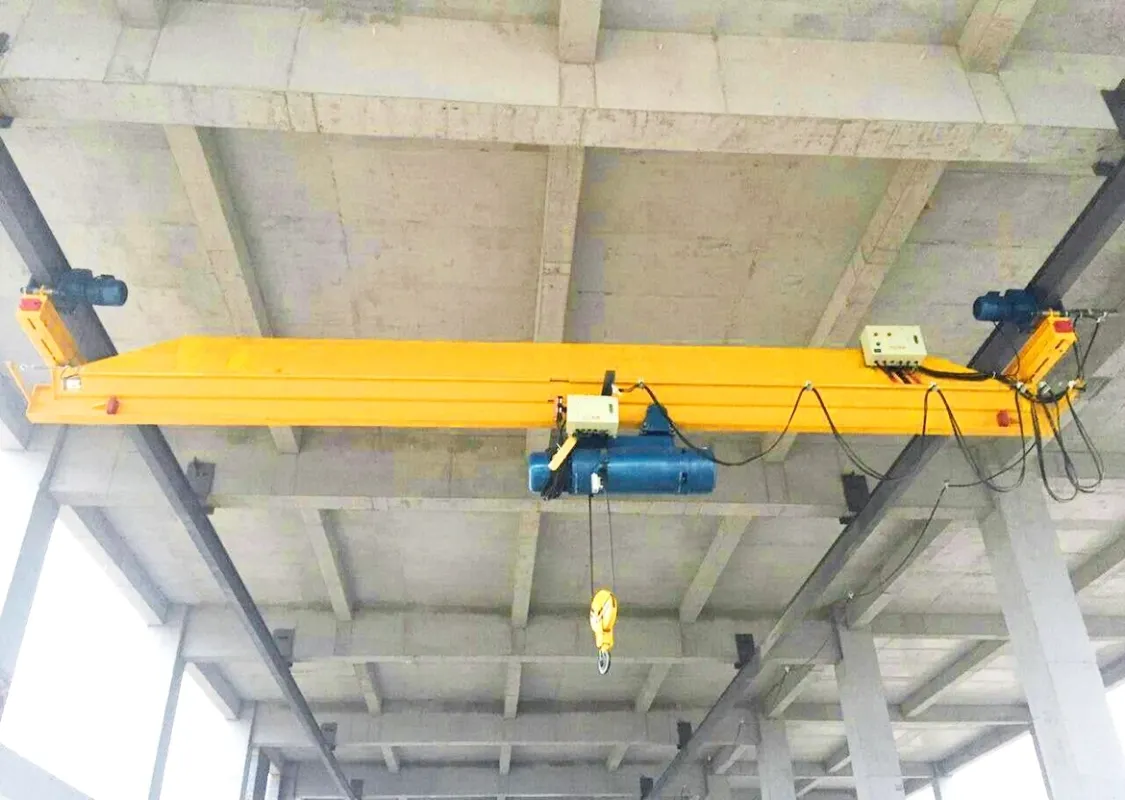
- Single girder overhead cranes
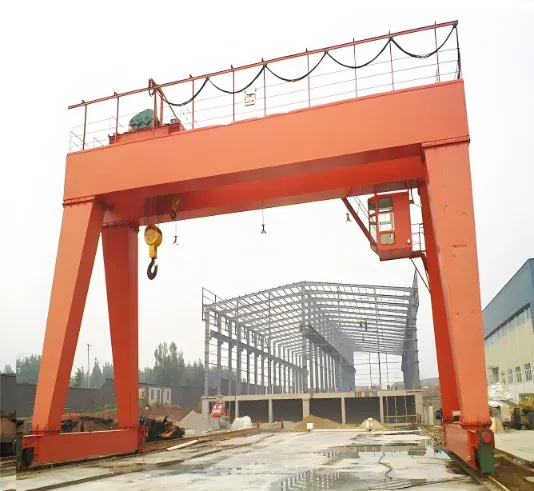
- Double girder overhead cranes
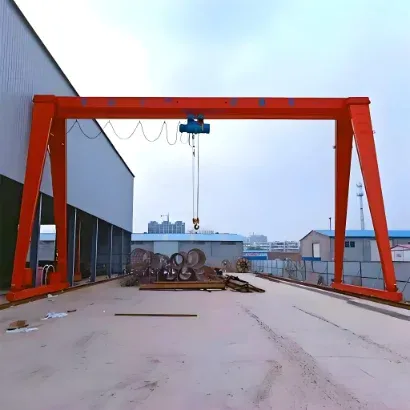
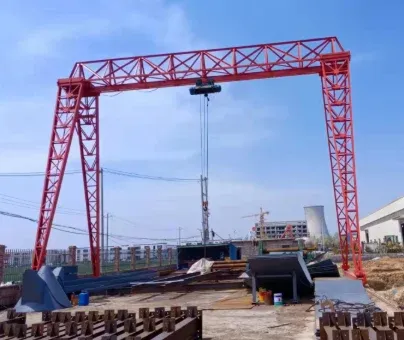
- Portable gantry cranes
- Semi gantry cranes
- Jib cranes with electric hoists
Operators sometimes use crane travel motion to drag the load into position. This creates combined horizontal and vertical forces that the hoist is not designed to handle.
A crane is designed to lift vertically first, then travel with the load after it is suspended and balanced.
Correct Lifting Procedure
Use this simple sequence for safe electric hoist operation.
1
Position the hook directly above the load
No angle in the wire rope.
2
Tension the sling slowly
Remove slack before lifting.
3
Lift vertically a short distance first
Check balance and stability.
4
Move the crane only after the load is clear
Travel with a suspended and balanced load.
5
Lower the load vertically
Avoid dragging during lowering.
This method protects both the hoist and the crane structure.
Daily Inspection Checklist for Electric Hoists
Before each shift, check:
Wire rope enters the drum smoothly
No crossed or loose rope on the drum
Rope guide is not cracked or worn
Hook is centered and rotates freely
No abnormal noise from gearbox or motor
Limit switches work correctly
A 2-minute inspection can prevent hours of downtime.
Training Operators Matters More Than Many Factories Realize
Many hoist failures are caused by operating habits, not manufacturing defects.
Important training points:
- Never pull a load sideways
- Never use the hoist to drag equipment
- Keep the rope vertical
- Avoid sudden starts and stops
- Do not continue operating after rope disorder appears
Standardized operation can significantly extend the service life of the hoist.
Conclusion
If your electric hoist frequently suffers from rope guide damage, wire rope disorder, abnormal wear, or repeated maintenance, do not focus only on overloading.
Side pulling is often the hidden cause.
For any overhead crane, gantry crane, or jib crane, the safest and most economical practice is:
Lift vertically, travel second, lower vertically.
Correct operation not only improves safety but also reduces maintenance cost, extends wire rope life, and prevents unexpected production downtime.
Need Help Choosing or Maintaining an Electric Hoist?
If you are experiencing:
- Frequent rope guide failure
- Wire rope disorder
- Abnormal hoist wear
- Repeated maintenance costs
- Uncertain hoist selection for your crane
Contact Wanli Crane for professional support.
We can help you select the right electric hoist, inspect rope winding problems, and provide maintenance recommendations for overhead cranes, gantry cranes, and workstation lifting systems.
Get Technical Support
FAQ
Can side pulling damage an electric hoist even when the load is within capacity?
Yes. The load may be within the rated capacity, but the angled force creates additional stress on the rope guide, drum, bearings, and wire rope.
What is the first sign of side-pulling damage?
The most common early signs are uneven rope winding, rope rubbing, and excessive wear on the rope guide.
Is it acceptable to pull a load slightly at an angle?
No. Industry standards recommend that electric hoists be used for vertical lifting only. Even a small angle can cause long-term wear if repeated frequently.
Why does my wire rope become disordered on the drum?
Possible causes include side pulling, damaged rope guide, improper reeving, loose rope during lowering, or incorrect drum winding.
How often should I inspect the rope guide?
For frequently used hoists, perform a daily visual inspection and a more detailed inspection during scheduled maintenance.
Does this apply to portable gantry cranes?
Yes. Any crane using a wire rope electric hoist can suffer damage from side loading, including portable gantry cranes and small workshop cranes.