Aug 9, 2026Buying Guide
New Factory Overhead Crane Installation Guide: 4 Things You Must Plan Before Installation
Learn the 4 key factors you should consider before installation, including factory structure, crane span, lifting capacity, and power supply planning.
New Factory Overhead Crane Installation Guide: 4 Things You Must Plan Before Installation
Many factory owners think:
“Once my new factory building is completed, I can simply buy an overhead crane and install it.”
But this is one of the most common mistakes during factory construction.
An overhead crane is not a machine that can be installed anywhere. The factory structure, crane runway, power system, and lifting requirements must be considered before installation.
If these details are ignored in the early stage, you may face:
- Expensive modifications
- Installation delays
- Limited crane performance
- Additional construction costs
So, before installing an overhead crane in a new factory, make sure these four important points are planned properly.
1. Reserve the Crane Installation Area in Advance
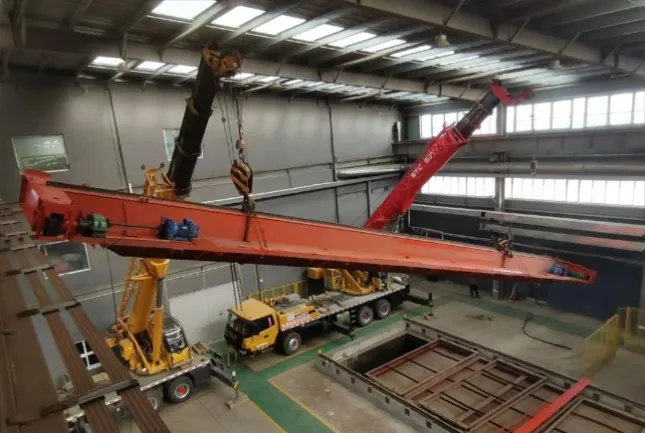
The first step is to confirm where the overhead crane will operate.
Before construction is completed, factory owners should consider:
- Crane runway location
- Working area requirements
- Building structure
- Roof and floor load capacity
For example, an overhead crane transfers lifting loads to the supporting structure of the building. If the factory structure was not designed for crane installation, additional reinforcement may be required.
Early planning helps avoid costly changes after the factory is finished.
2. Choose the Crane Span According to Factory Width
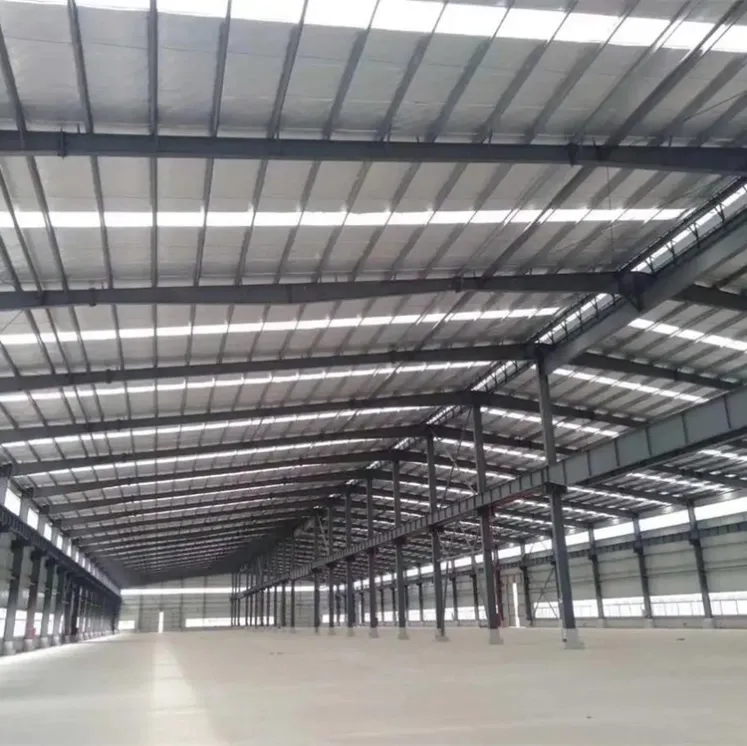
The crane span should match the actual width of your workshop.
Many buyers make the mistake of selecting a crane first and checking the factory later.
The correct process should be:
Factory size → Required working area → Crane span → Crane model
A suitable crane span can:
- Maximize working space
- Improve material handling efficiency
- Avoid unnecessary investment
For example, if your workshop width is limited, choosing an oversized span may increase equipment cost without improving productivity.
3. Select the Right Lifting Capacity Based on Your Application
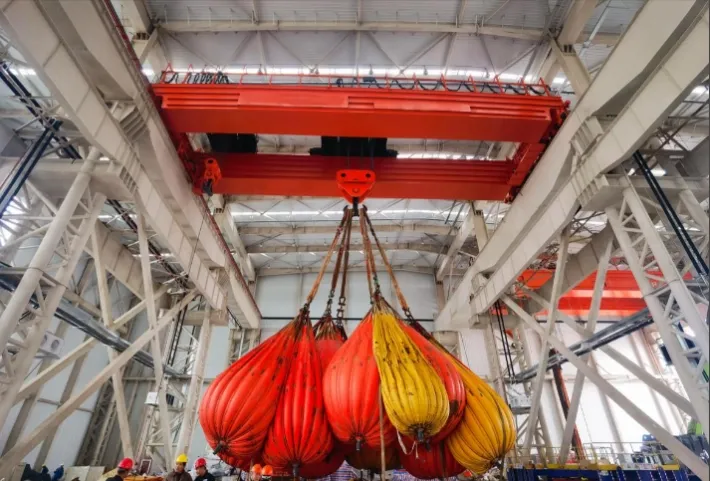
Another important factor is choosing the correct lifting capacity.
The crane capacity should be based on:
- Maximum load weight
- Frequency of lifting
- Material type
- Working environment
A common mistake is choosing a smaller crane to reduce initial cost.
However, if the crane frequently operates near its maximum capacity, it may lead to:
- Faster component wear
- Higher maintenance costs
- Lower working efficiency
For example:
- Light workshop handling: 3 ton-5 ton overhead crane may be suitable
- Heavy manufacturing: 10 ton, 20 ton or higher capacity cranes may be required
Choosing the correct capacity ensures safer and more reliable operation.
4. Plan the Power Supply Before Crane Installation
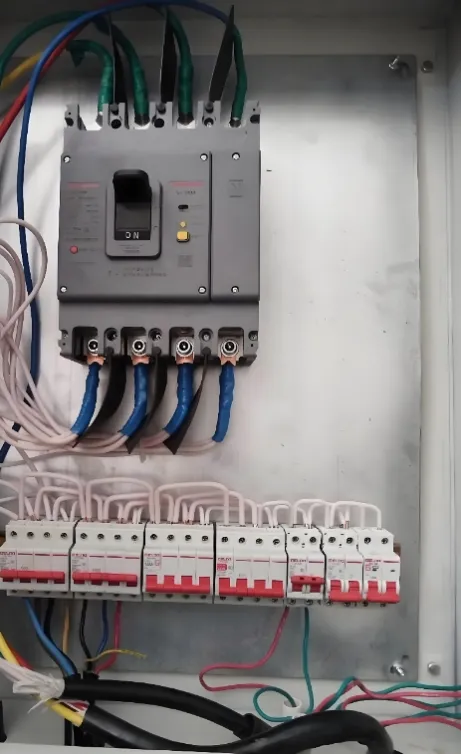
Electrical planning is often overlooked during factory construction.
Before installing an overhead crane, confirm:
- Power supply location
- Electrical capacity
- Cable arrangement
- Control system requirements
If power planning is delayed, installation workers may need to modify wiring routes later, causing additional time and cost.
A properly planned electrical system makes crane installation faster and operation more stable.
Why Early Crane Planning Is Important for New Factories
A successful crane installation depends on cooperation between:
- Factory building design
- Steel structure contractor
- Electrical contractor
- Crane supplier
Planning in advance can help you:
✅ Select the right crane model
✅ Reduce installation problems
✅ Control project costs
✅ Improve future production efficiency
A good crane project starts before the crane arrives at your factory.
How to Prepare Before Buying an Overhead Crane?
Before contacting a crane supplier, prepare the following information:
1. Factory Information
- Building width
- Building length
- Height
- Steel structure or concrete structure
2. Crane Requirements
- Lifting capacity
- Crane span
- Lifting height
- Working frequency
3. Working Conditions
- What materials will be lifted?
- How many hours per day will the crane work?
- Indoor or outdoor operation?
Providing accurate information allows suppliers to recommend a more suitable crane solution.
Common Mistakes When Installing an Overhead Crane
Mistake 1: Buying a crane before designing the factory
The factory structure may not match the crane requirements.
Mistake 2: Choosing crane capacity only based on price
A cheaper crane may not meet long-term production needs.
Mistake 3: Ignoring electrical planning
Late wiring modifications increase installation difficulty.
Mistake 4: Not considering future expansion
A factory may require higher lifting capacity in the future. Proper planning can reduce future upgrade costs.
FAQ About New Factory Overhead Crane Installation
1. Can an overhead crane be installed in any factory?
No. The factory structure must have sufficient strength and suitable design conditions for crane installation.
2. What should I prepare before buying an overhead crane?
You should prepare factory dimensions, lifting capacity requirements, lifting height, working frequency, and installation conditions.
3. Should I choose the crane before or after building the factory?
It is better to consider crane requirements during the factory design stage. Early planning helps avoid structural modifications.
4. How do I choose the right overhead crane capacity?
Choose the crane capacity based on your heaviest load, working frequency, and future production requirements.
5. What information does a crane supplier need for quotation?
A crane supplier usually needs:
- Lifting capacity
- Span length
- Lifting height
- Factory structure
- Power supply information
- Working environment
Conclusion
Installing an overhead crane in a new factory requires careful planning.
The most important points are:
✅ Reserve the installation space
✅ Match crane span with factory width
✅ Select the correct lifting capacity
✅ Plan the electrical system in advance
A well-planned crane installation can reduce future problems and improve factory productivity.
If you are planning a new factory project and need an overhead crane solution, consult an experienced crane supplier before construction is completed.