Jul 30, 2026Industry Solutions
New Overhead Crane vs Used Overhead Crane
A practical desicion content which to tell you how to choose new overhead crane and used overhead crane.
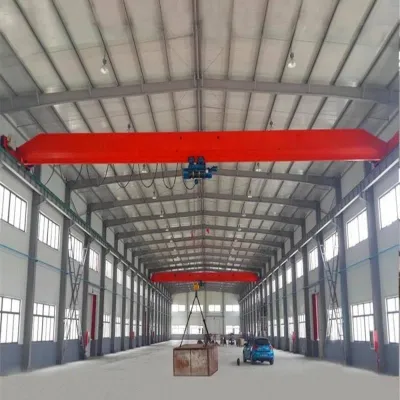
New Overhead Crane vs Used Overhead Crane: Which One Is Right for Your Business?
When planning a material handling project, one of the most common questions is whether to buy a new overhead crane or a used overhead crane. Both options can be suitable depending on your budget, application, timeline, and long-term operating requirements.
Before making a decision, it is important to understand the advantages, limitations, and hidden costs associated with each option.
Initial Cost Comparison
The most obvious difference between a new overhead crane and a used overhead crane is the purchase price.
A used overhead crane generally requires a lower initial investment. For businesses with limited budgets or short-term projects, this can be an attractive option.
A new overhead crane usually costs more because the price often includes engineering, manufacturing, project management, installation support, commissioning, and load testing. While the upfront investment is higher, many services are included in the overall project package.
Delivery Time and Availability
Lead time is another important factor.
A new overhead crane system may require several months for design, production, delivery, and installation, especially if the crane is customized for a specific application.
A used overhead crane may be available immediately. If a suitable crane is already in stock, it can reduce project waiting time and help businesses start operations faster.
However, buyers should confirm whether the available crane matches their lifting requirements and facility layout.
Understanding the Crane's Service History
One challenge when purchasing used crane equipment is obtaining accurate information about its previous use.
Important questions include:
- How old is the crane?
- How frequently was it operated?
- What was the original application?
- Are maintenance records available?
- Has the crane been regularly inspected?
Understanding the crane's service history helps estimate its remaining service life and future maintenance requirements.
Crane Duty Cycle and Application Matching
Every overhead crane is designed for a specific duty cycle and service class.
When purchasing a new crane, the system can be engineered according to the required lifting capacity, working frequency, and operating environment.
With a used crane, the original design specifications may not always be available. A crane designed for light-duty operations may not perform efficiently in a heavy-duty production environment.
For this reason, evaluating the crane's duty cycle and service classification is an important part of the purchasing process.
Installation and Additional Costs
Many buyers focus only on equipment price and overlook additional expenses.
For a used overhead crane, additional costs may include:
- Transportation
- Structural evaluation
- Installation
- Electrical modifications
- Inspection and load testing
- Replacement of worn components
These costs can significantly affect the total project budget.
A new crane project often includes many of these services through the manufacturer or supplier, simplifying project coordination.
Reliability and Maintenance
The condition of the equipment plays a major role in long-term performance.
Before purchasing a used overhead crane, buyers should inspect the crane or hire a qualified third-party inspector. It is also helpful to understand where the crane was previously installed and how it was stored after removal.
A new overhead crane offers the advantage of unused components and manufacturer support. A used crane may require additional maintenance depending on its age, condition, and operating history.
Warranty and Technical Support
New overhead cranes typically include manufacturer warranties and technical support services. Training, spare parts assistance, and troubleshooting support may also be available.
Used cranes are often sold "as-is" with limited warranty coverage or no warranty at all. Buyers should confirm the level of support available before completing a purchase.
Final Considerations
There is no single answer to whether a new overhead crane or a used overhead crane is the better choice.
A used crane may be suitable for businesses seeking lower upfront costs and faster availability. A new crane may be preferred when customized engineering, warranty coverage, and long-term reliability are priorities.
The most important step is to evaluate your lifting requirements, facility conditions, project timeline, and total ownership costs before making a decision.
A well-selected crane system, whether new or used, can improve productivity, safety, and operational efficiency for many years.