Aug 7, 2026Maintenance
Single Girder Overhead Crane Installation: 4 Key Steps to Prevent Rail Misalignment
Learn the four critical installation steps that prevent crane skewing, rail wear, wheel damage, and premature maintenance on single girder overhead cranes.
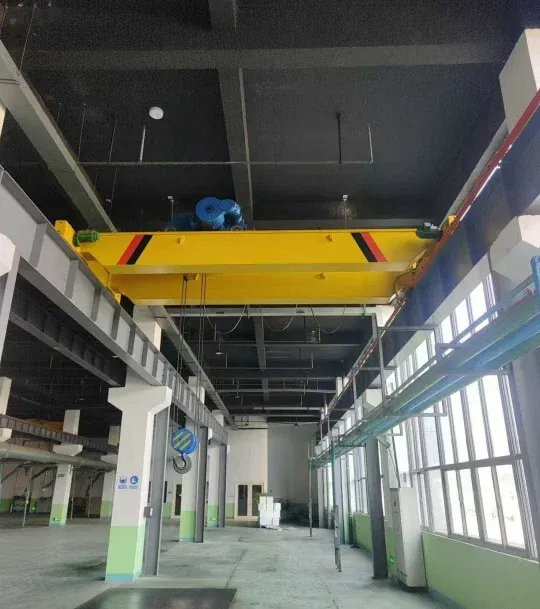
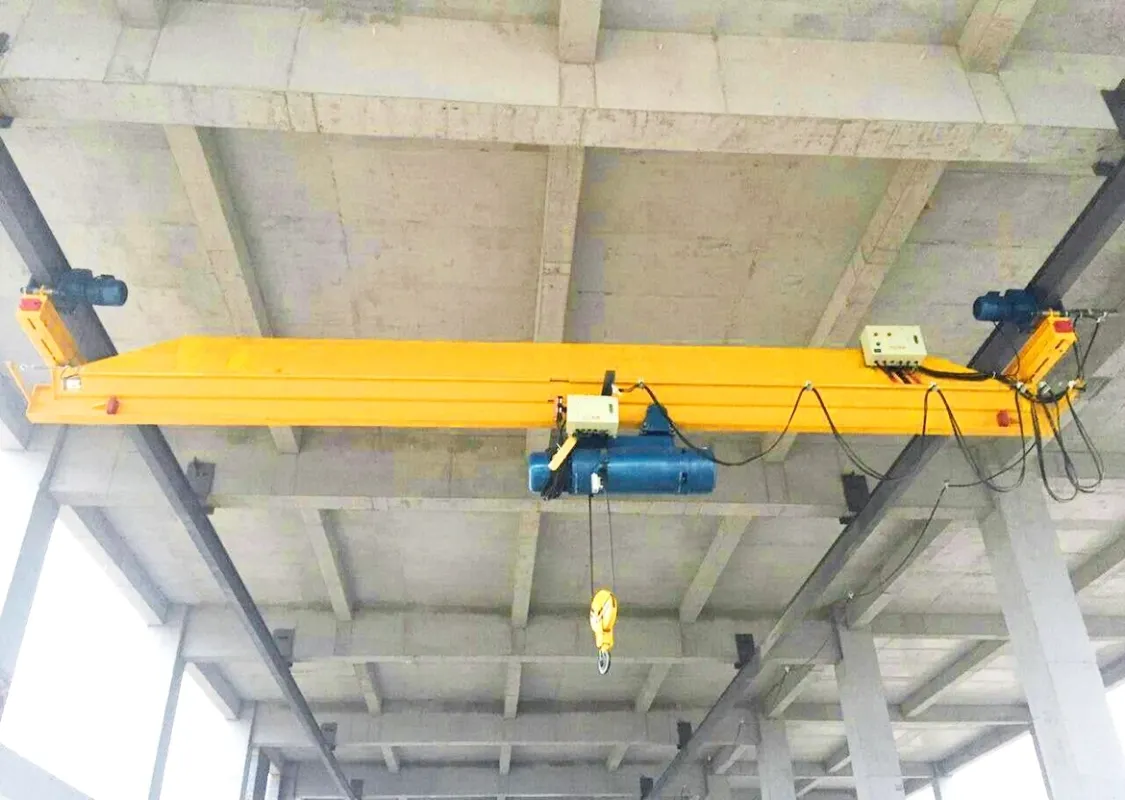
Single Girder Overhead Crane Installation: 4 Critical Steps to Prevent Rail Misalignment
Installing a single girder overhead crane correctly is just as important as choosing the right crane.
Many users assume that problems such as crane skewing, wheel wear, abnormal noise, or rail damage are caused by poor equipment quality. In reality, most of these issues originate from improper installation rather than the crane itself.
A well-installed crane runs smoothly for years, while an incorrectly installed crane can generate continuous maintenance costs from the first months of operation.
This guide explains the four essential installation checks every project should complete before commissioning.
Why Proper Installation Matters
A crane installation that is out of tolerance may lead to:
- Crane skewing
- Rail gnawing (rail wear)
- Uneven wheel wear
- Increased motor load
- Gearbox damage
- Excessive vibration
- Shorter equipment lifespan
Although these problems often appear during operation, they usually begin during installation.
1. Ensure Accurate Rail Alignment
The crane runway must be installed with precise alignment and levelness.
During installation, verify:
- Rail straightness
- Rail elevation
- Parallel distance
- Crane span compatibility
If the rails are not level or the spacing differs from the crane span, the bridge tends to travel diagonally instead of straight, causing rail misalignment (crane skewing).
Common consequences include:
- Frequent rail wear
- Increased wheel friction
- Higher energy consumption
- Continuous correction during travel
Proper rail alignment is the foundation of smooth crane operation.
2. Check Main Girder Camber and Bridge Geometry
Before final commissioning, inspect the bridge structure carefully.
Key measurements include:
- Main girder camber
- Bridge diagonal dimensions
- End truck positioning
- Structural symmetry
After installing the end trucks, measure both diagonal distances.
If the two diagonals are not equal, the bridge frame may become twisted, resulting in:
- Crane vibration
- Uneven wheel loading
- Bridge deformation
- Reduced lifting stability
Accurate geometry ensures the load is evenly distributed across all wheels.
3. Adjust Wheels and Drive Mechanisms
The travel wheels and drive system must be properly adjusted after assembly.
Technicians should verify:
- Wheel alignment
- Wheel contact
- Motor coupling
- Gearbox installation
- Shaft concentricity
Improper adjustment can cause:
- Wheel edge wear
- Abnormal noise
- Increased rolling resistance
- Motor overload
- Premature bearing failure
Smooth wheel alignment significantly extends component life.
4. Test All Safety Devices
Mechanical installation is only part of the commissioning process.
Every crane should undergo functional testing for:
- Travel limit switches
- Hoist limit switches
- Overload protection
- Emergency stop
- Buffers
- Electrical protection devices
Ignoring these safety systems may lead to equipment damage or operator accidents.
Safety verification should always be completed before the crane enters production.
Common Installation Mistakes
Installation Issue | Possible Result |
|---|---|
Rails not level | Crane skewing |
Incorrect span | Rail wear |
Unequal bridge diagonals | Crane vibration |
Wheel misalignment | Wheel wear |
Loose drive mechanism | Noise and gearbox damage |
Safety devices not tested | Increased accident risk |
Benefits of Professional Crane Installation
Proper installation offers several long-term advantages:
- Lower maintenance costs
- Longer wheel and rail life
- Reduced downtime
- Smoother crane travel
- Improved lifting accuracy
- Better operational safety
Many maintenance problems can be avoided simply by following correct installation procedures.
Conclusion
A high-quality single girder overhead crane can only deliver reliable performance when it is installed correctly.
By focusing on four key areas—
- Rail alignment
- Bridge geometry
- Wheel and drive adjustment
- Safety device commissioning
—you can greatly reduce future maintenance, prevent rail damage, and extend the service life of the crane.
Proper installation is not an additional expense—it is an investment that protects the entire lifting system.
FAQ(Google喜欢)
How do I prevent an overhead crane from skewing?
The most effective methods are accurate rail alignment, proper bridge geometry, and correct wheel adjustment during installation.
What causes crane rail wear?
Rail wear is commonly caused by rail misalignment, incorrect crane span, uneven wheel loading, or improper installation.
Why should crane bridge diagonals be measured?
Measuring the bridge diagonals ensures the bridge frame is square. Unequal diagonals may cause vibration, uneven wheel loading, and unstable crane travel.
How often should an overhead crane be inspected after installation?
Most manufacturers recommend an inspection after commissioning, followed by regular preventive maintenance based on operating frequency and applicable safety regulations.