Aug 9, 2026Crane Knowledge
Single Girder vs Double Girder Crane: Why Does Double Girder Crane Provide Higher Lifting Height?
Learn the key difference in hoist installation position and choose the right overhead crane solution.
Single Girder vs Double Girder Crane: Why Does Double Girder Crane Have Higher Lifting Height?
Many factory owners have the same question:
“If a single girder crane and a double girder crane are installed on the same runway beam at the same height, why can the double girder crane achieve a higher lifting height?”
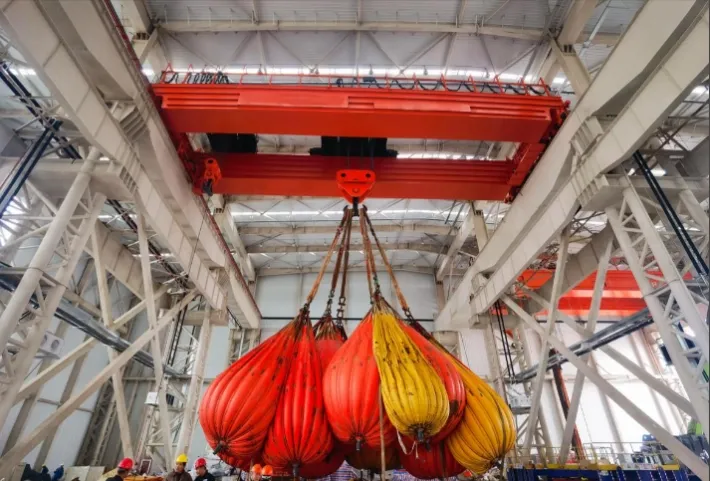
At first glance, both cranes seem similar. They both move along the same runway system and use an electric hoist for lifting.
However, the difference is hidden in one key detail:
The installation position of the hoist.
The hoist position directly affects how much vertical space is occupied and how high the hook can reach.
1. The Main Difference: Hoist Installation Position
The biggest structural difference between single girder and double girder cranes is where the lifting mechanism is installed.
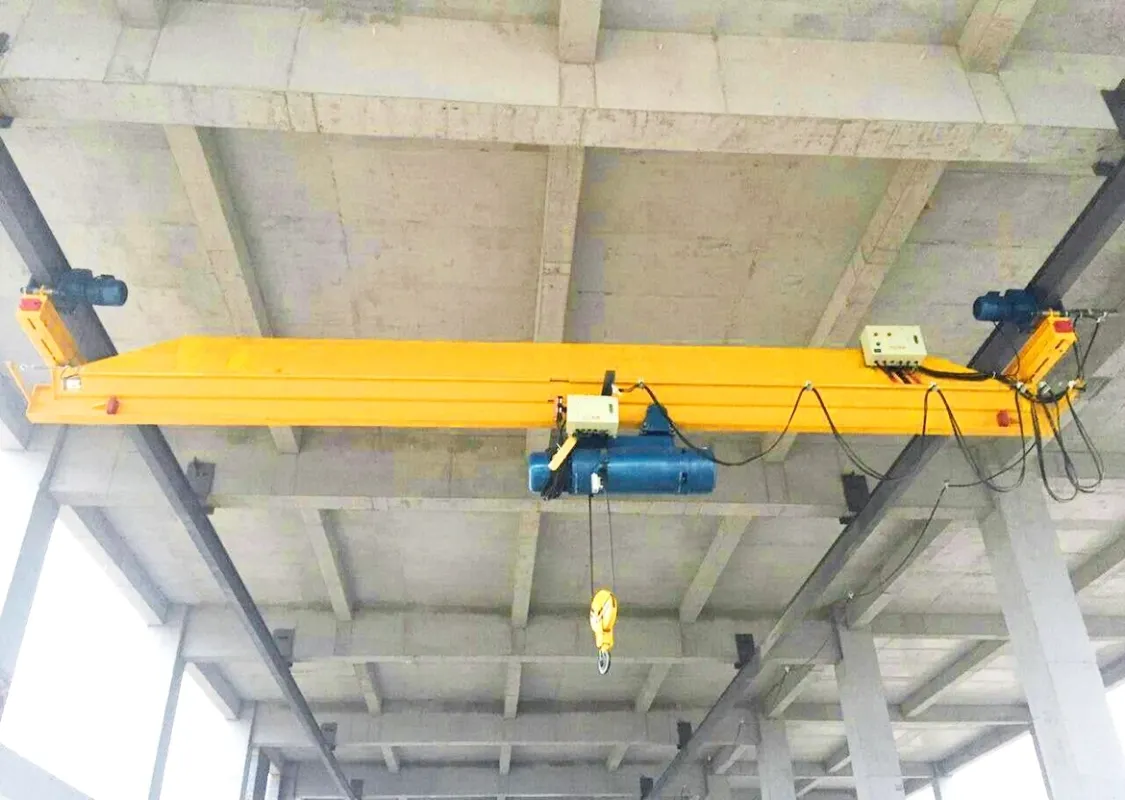
Single Girder Overhead Crane: Hoist Installed Below the Main Girder
In a single girder crane, the electric wire rope hoist is usually suspended underneath the main girder.
The structure looks like this:
Factory roof
↓
Crane girder
↓
Electric hoist
↓
Hook
Because the hoist body is located below the main beam, it takes up part of the vertical space.
When the hook reaches the highest position, the hoist itself limits the lifting height.
This means:
- Part of the factory height is occupied by the hoist
- The hook cannot reach close to the crane girder level
- Effective lifting height is reduced
2. Double Girder Crane: Hoist Trolley Runs Above Two Main Girders
A double girder overhead crane has a different structure.
The hoist trolley is installed on top of two parallel main girders.
The structure is:
Factory roof
↓
Crane runway
↓
Double main girders
↓
Hoist trolley on top
↓
Hook moves between girders
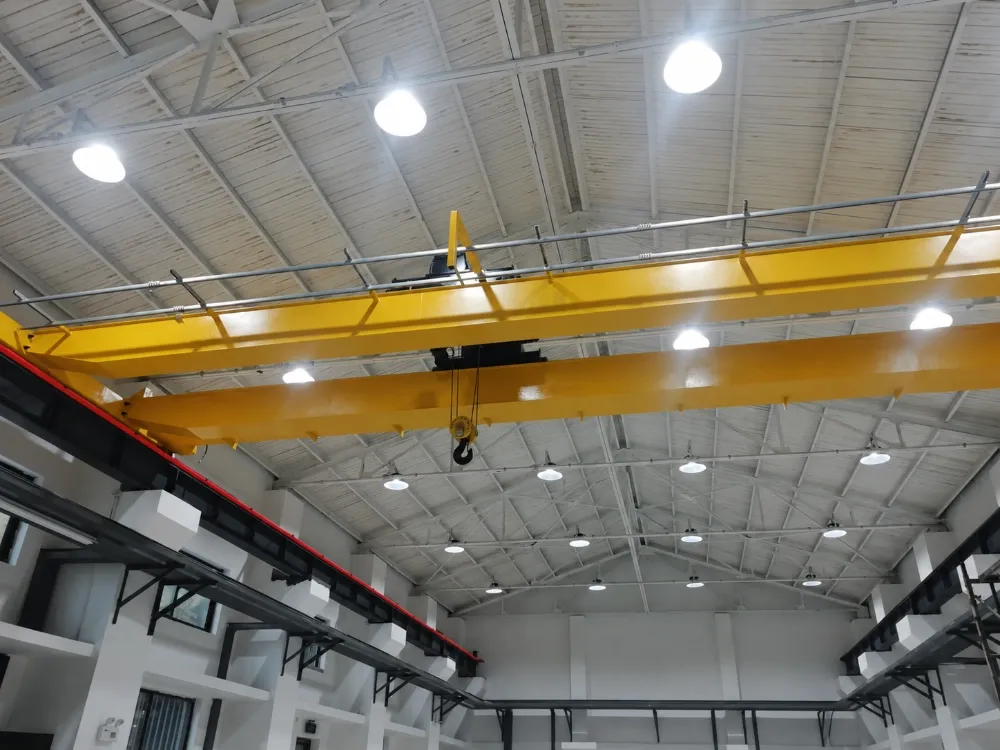
Because the hoist trolley sits above the main beams, the hook can move upward into the space between the girders.
This design reduces wasted vertical space.
As a result:
✅ Higher hook position
✅ Better use of factory height
✅ Greater effective lifting height
3. How Much Higher Can a Double Girder Crane Lift?
Under the same:
- Factory building height
- Runway beam height
- Installation conditions
A double girder crane can usually provide approximately:
500mm-1000mm more effective lifting height
compared with a single girder crane.
For factories where building height is limited, this difference can be very important.
For example:
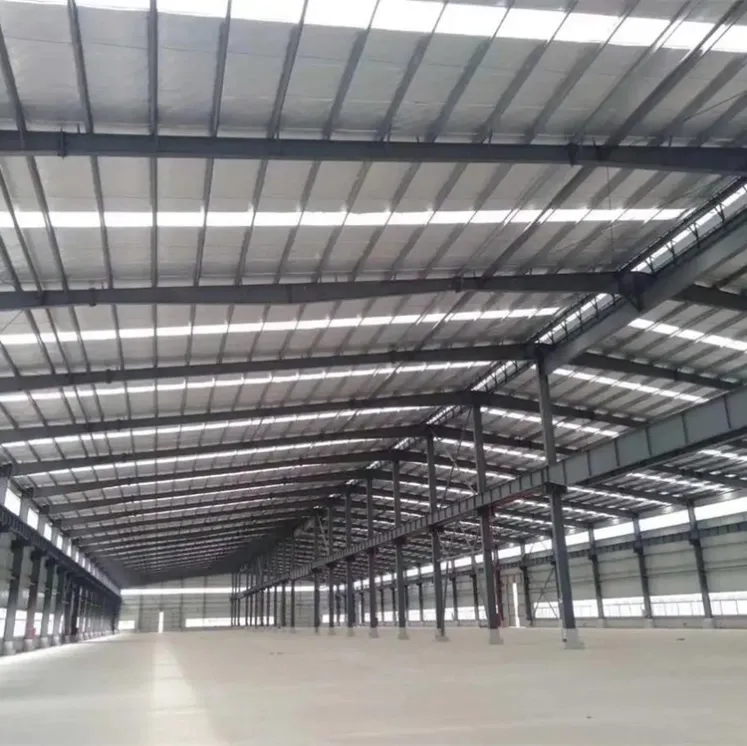
A factory has a limited roof height.
Using a single girder crane:
- The hook may not reach the required working height
Using a double girder crane:
- The hook can lift higher without increasing building height
This is especially useful for:
- Steel fabrication workshops
- Machinery manufacturing plants
- Heavy equipment factories
- Warehouses requiring high stacking
4. Single Girder Crane vs Double Girder Crane: Which One Should You Choose?
Choosing between single girder and double girder cranes depends on your working requirements.
Choose Single Girder Crane If:
✅ Lifting capacity is usually below 10 tons
✅ Working frequency is not extremely high
✅ Factory height is limited but lifting requirements are normal
✅ You need a cost-effective solution
Advantages:
- Lower investment cost
- Simple structure
- Easy maintenance
- Suitable for general workshops
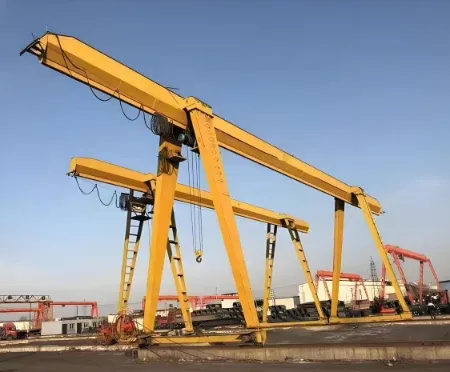
You can learn more about single girder cranes here:
Choose Double Girder Crane If:
✅ Higher lifting height is required
✅ Heavy loads need frequent handling
✅ Lifting capacity is above 10 tons
✅ Better stability is needed
Advantages:
- Higher lifting height
- Stronger load capacity
- Better running stability
- Suitable for heavy-duty applications
Learn more:
5. Other Factors That Affect Crane Lifting Height
Although crane type is important, lifting height is also affected by:
1. Factory Building Height
Higher buildings allow greater lifting height.
2. Crane Runway Height
The position of runway beams directly affects available space.
3. Hoist Design
Different hoist models have different headroom requirements.
4. Crane Design Type
Low headroom hoists can improve lifting height in limited spaces.
More information:
6. Common Mistakes When Choosing Crane Height
Mistake 1: Only Considering Lifting Capacity
Many buyers only focus on:
“Can the crane lift 10 tons?”
But they ignore:
“How high can it lift?”
The same 10-ton crane may have different effective lifting heights depending on design.
Mistake 2: Choosing Crane After Factory Construction
If crane requirements are considered too late, the factory height may not meet future production needs.
The best approach is:
Factory design → Crane requirement → Crane selection
Mistake 3: Ignoring Future Production Needs
A factory may start with smaller loads but require higher lifting height later.
Choosing the correct crane structure early can avoid expensive modifications.
FAQ About Single Girder and Double Girder Crane Lifting Height
1. Why does a double girder crane have a higher lifting height than a single girder crane?
The main reason is the hoist installation position. A single girder crane has the hoist hanging below the main beam, while a double girder crane places the trolley above the two main beams, allowing the hook to move higher.
2. How much higher can a double girder crane lift?
Under similar installation conditions, a double girder crane can usually provide about 500mm to 1000mm additional effective lifting height compared with a single girder crane.
3. Is a double girder crane always better than a single girder crane?
Not necessarily. Double girder cranes provide higher lifting height and stronger performance, but single girder cranes are more economical for light-duty applications.
4. Which crane is better for a factory with limited height?
If lifting height is the priority, a double girder crane or low headroom crane design may provide better performance.
5. Should I choose a single girder or double girder overhead crane?
It depends on:
- Load capacity
- Working frequency
- Required lifting height
- Factory structure
- Budget
A professional crane supplier can recommend the correct solution based on your working conditions.
Conclusion
The reason a double girder crane can achieve higher lifting height than a single girder crane is not simply because it has two beams.
The key difference is:
The hoist installation position.
A single girder crane places the hoist below the beam, while a double girder crane allows the hoist trolley to run above the main girders.
For factories with limited building height and higher lifting requirements, a double girder crane can provide better space utilization and higher working efficiency.
Choosing the right crane design before factory construction can help you achieve better long-term performance and reduce future modification costs.