Aug 5, 2026Crane Knowledge
Variable Frequency Electric Hoist vs Standard Electric Hoist: Which Is Better?
Compare variable frequency and standard electric hoists to understand their speed control, precision, safety, and ideal applications.
Variable Frequency Electric Hoist vs Standard Electric Hoist: What's the Difference?
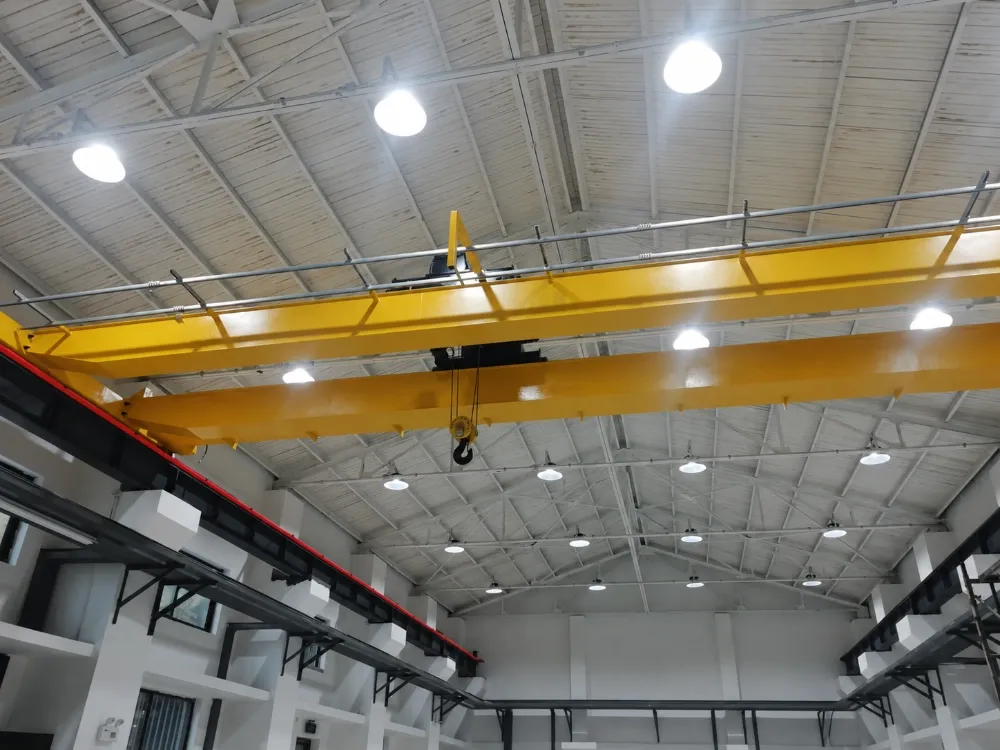
When selecting an Electric Hoist, many buyers focus on lifting capacity and price. However, the control system can have a significant impact on safety, positioning accuracy, and operating efficiency.
One of the most common questions is whether to choose a Variable Frequency Electric Hoist (VFD Hoist) or a Standard Electric Hoist.
Both types can lift the same loads, but they perform differently when it comes to starting, stopping, speed control, and handling delicate materials.
In this guide, we'll explain the key differences to help you choose the right hoist for your application.
What Is a Standard Electric Hoist?
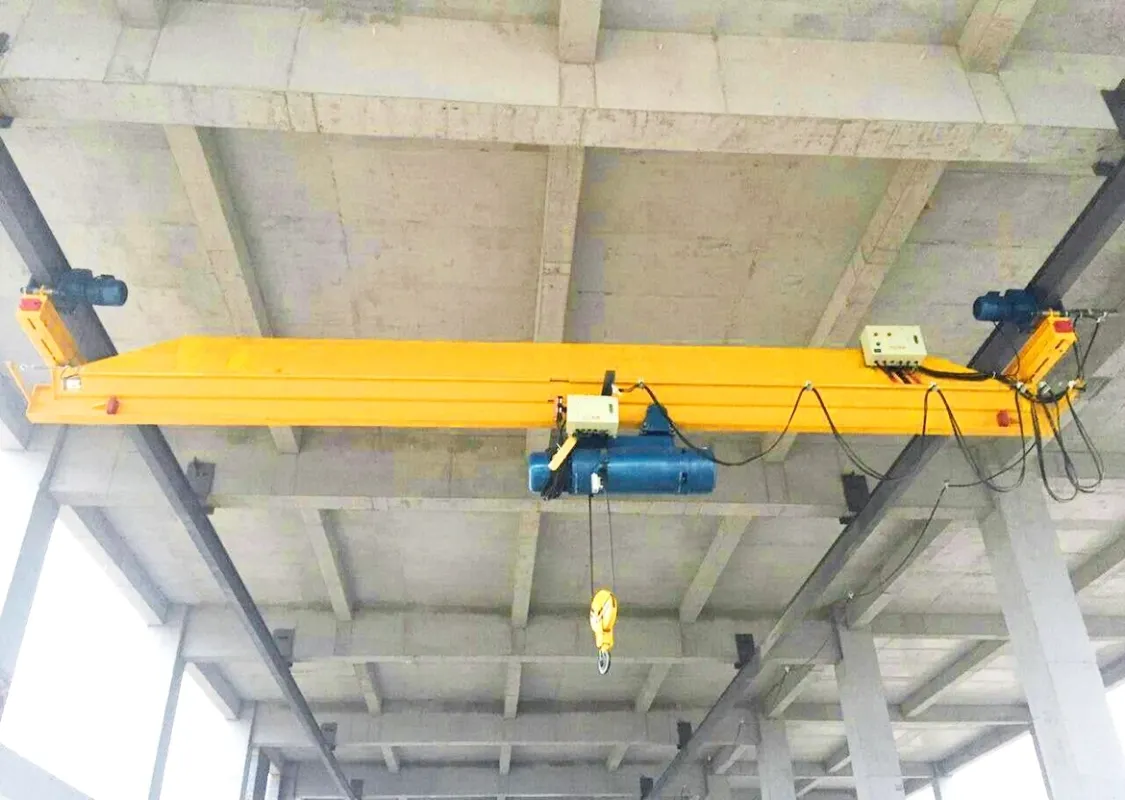
A Standard Electric Hoist operates at a fixed lifting speed. Once the motor starts, it quickly reaches its rated speed and maintains that speed until it stops.
Because the speed cannot be adjusted continuously, the hoist starts and stops more abruptly than a variable frequency model.
Advantages
- Lower purchase cost
- Simple electrical system
- Easy maintenance
- Reliable performance
- Suitable for general lifting tasks
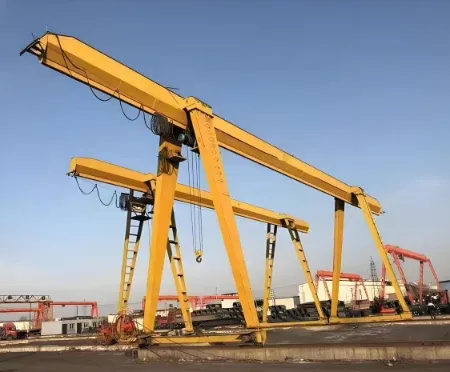
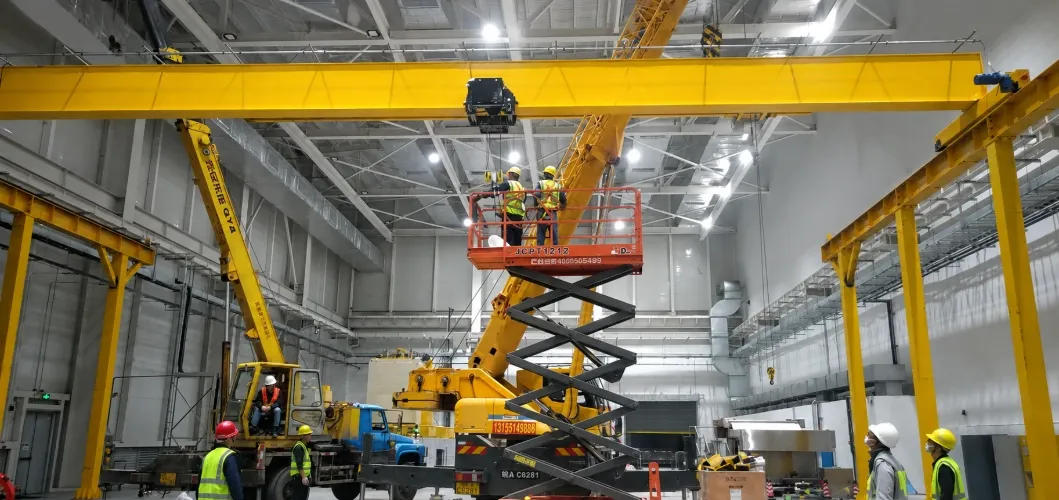
Standard electric hoists are commonly installed on Single Girder Overhead Cranes, Double Girder Overhead Cranes, and Gantry Cranes for routine material handling.
What Is a Variable Frequency Electric Hoist?
A Variable Frequency Electric Hoist uses a Variable Frequency Drive (VFD) to control the motor speed.
Instead of operating at only one speed, the motor accelerates and decelerates gradually.
This allows the hoist to provide:
- Soft starting
- Smooth acceleration
- Stable lifting
- Smooth lowering
- Soft stopping
- Adjustable lifting speed
Because the movement is much smoother, the suspended load experiences less shock and sway.
Variable Frequency vs Standard Electric Hoist
1. Speed Control
A standard hoist operates at a fixed speed throughout the lifting cycle.
A variable frequency hoist allows operators to adjust lifting and lowering speeds according to different working conditions.
This flexibility improves both efficiency and safety.
2. Starting and Stopping
Standard hoists typically start and stop immediately, which may create mechanical shock and load swing.
A VFD hoist uses soft start and soft stop technology, reducing sudden movement and protecting both the equipment and the load.
3. Lifting and Lowering Performance
One of the biggest advantages of a variable frequency hoist is its smooth motion.
Instead of moving abruptly, it provides:
- Gradual lifting
- Smooth acceleration
- Stable travel
- Controlled lowering
- Gentle landing
This feature is particularly valuable when handling fragile or high-value equipment.
4. Positioning Accuracy
Precise positioning is difficult with a fixed-speed hoist because operators often need multiple start-stop adjustments.
A variable frequency hoist offers better speed control, allowing loads to be positioned more accurately with fewer corrections.
5. Load Stability
Rapid acceleration can cause suspended loads to swing.
Because a VFD hoist accelerates more gradually, it significantly reduces load sway and improves operational safety.
This is especially important for long-span cranes and precision lifting applications.
6. Equipment Wear
Frequent sudden starts and stops increase stress on motors, brakes, gearboxes, and wire ropes.
Variable frequency control reduces these impacts, helping extend the service life of key components and lowering maintenance costs.
Comparison Table
Feature | Standard Electric Hoist | Variable Frequency Electric Hoist |
|---|---|---|
Speed Control | Fixed speed | Variable speed |
Starting | Direct start | Soft start |
Stopping | Immediate stop | Soft stop |
Lifting Motion | Less smooth | Smooth and controlled |
Lowering Motion | Fixed speed | Adjustable and stable |
Positioning Accuracy | Standard | High |
Load Swing | More noticeable | Reduced |
Mechanical Impact | Higher | Lower |
Equipment Wear | Faster | Reduced |
Initial Cost | Lower | Higher |
Best For | General lifting | Precision lifting |
Which Electric Hoist Should You Choose?
A Standard Electric Hoist is an excellent choice if your application involves:
- Steel materials
- Construction projects
- Warehouses
- General manufacturing
- Budget-sensitive projects
A Variable Frequency Electric Hoist is recommended if your application requires:
- Precision positioning
- Slow lifting and lowering
- Mold installation
- Automated production lines
- High-value equipment
- Frequent lifting operations
Although the initial investment is higher, the improved control and reduced mechanical wear often provide better long-term value.
Related Equipment
To build a complete lifting solution, a variable frequency hoist is commonly paired with:
- Single Girder Overhead Crane
- Double Girder Overhead Crane
- Gantry Crane
Conclusion
Both standard and variable frequency electric hoists are reliable lifting solutions, but they serve different operational needs.
If your work mainly involves routine material handling and cost is a priority, a standard electric hoist offers excellent value.
If your application requires smooth lifting, precise positioning, reduced load swing, and better protection for valuable materials, a variable frequency electric hoist is the better investment.
Selecting the right hoist should be based on your lifting requirements, working environment, operating frequency, and long-term maintenance goals.
Frequently Asked Questions (FAQ)
What is a variable frequency electric hoist?
A variable frequency electric hoist uses a Variable Frequency Drive (VFD) to control motor speed, allowing smooth acceleration, deceleration, and adjustable lifting speeds.
Is a variable frequency electric hoist better than a standard hoist?
It depends on the application. A VFD hoist provides smoother operation, higher positioning accuracy, and less load sway, while a standard hoist is more economical for general lifting tasks.
Does a variable frequency hoist reduce load swing?
Yes. By accelerating and decelerating gradually, a variable frequency hoist minimizes sudden movement and helps reduce load swing.
Is a variable frequency electric hoist worth the extra cost?
For applications involving precision lifting, fragile materials, or frequent operation, the higher initial cost is often offset by improved efficiency, reduced equipment wear, and lower maintenance costs.
Can a variable frequency electric hoist be installed on any crane?
In most cases, yes. Variable frequency electric hoists can be used with Overhead Cranes, Gantry Cranes, and other compatible lifting systems, provided the crane design and electrical system meet the installation requirements.