Aug 13, 2026Maintenance
Why Do KBK Cranes Fail Early? 3 Operator Habits to Avoid
Why do some KBK cranes last for years while others develop problems quickly? Learn how side pulling, overloading and poor inspection can shorten KBK crane service life.
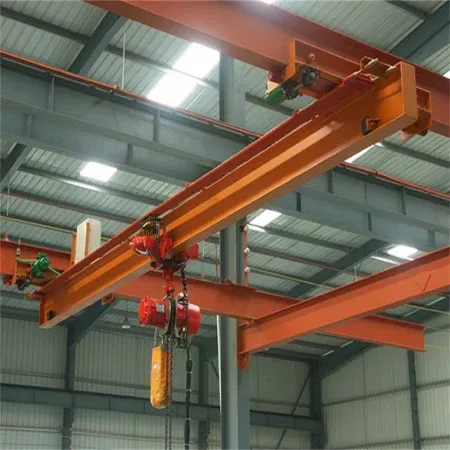
Why Do Some KBK Cranes Last 10 Years While Others Fail After 2 Years?
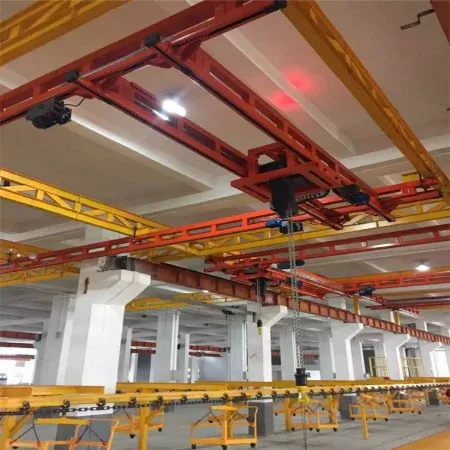
Two factories may install similar KBK crane systems.
One system can continue operating reliably for many years.
Another may start experiencing frequent problems after only a few years.
So what causes the difference?
It is not always the equipment itself.
Operating habits, load conditions and maintenance can have a major influence on the service life of a KBK crane system.
Three common problems deserve special attention:
- Side pulling
- Overloading
- Poor routine inspection
Let's look at each one.
1. Side Pulling Is One of the Worst Operating Habits
The first problem is side pulling.
The correct lifting position is simple:
The hook should be positioned as close as practical directly above the load before lifting.
But in a busy workshop, operators sometimes try to save time.
The load is not directly below the hook.
Instead of moving the crane or trolley into the correct position, the operator pulls the load sideways.
This creates an unwanted side load.
What Happens When You Pull a Load Sideways?
A KBK crane is primarily designed for controlled vertical lifting and horizontal movement within its designed system.
When the operator intentionally pulls a suspended load sideways, additional lateral forces can be introduced into:
- Crane track
- Trolley wheels
- Trolley frame
- Hoist components
- Wire rope
- Hook
- Track connections
Side pulling is recognized as a source of excessive side loading in crane operation guidance, particularly when the load is not directly below the lifting point.
The problem may not appear immediately.
That is why operators sometimes think:
"It worked yesterday, so it must be fine."
But repeated abnormal loading can accelerate wear and damage.
Why Does Side Pulling Damage the Trolley?
Imagine the load is directly below the hook.
The main load is transferred vertically through the lifting system.
Now imagine the load is several hundred millimeters away from the hook.
The operator starts pulling sideways.
The force is no longer purely vertical.
This can increase the lateral load acting on the trolley and track system.
Over time, you may see:
- Increased wheel wear
- Abnormal trolley movement
- Track connection wear
- Increased noise
- Difficult trolley travel
- Damage to lifting components
If abnormal movement or unusual noise appears, the equipment should be inspected rather than continuing to operate normally. Manufacturer inspection guidance commonly emphasizes investigating changes in rolling effort and unusual noise.
2. Overloading Can Shorten KBK Crane Service Life
The second common mistake is overloading.
Every KBK crane system has a rated lifting capacity.
For example:
500 kg
1 ton
2 tons
3.2 tons
The rated capacity is not a suggestion.
It is part of the crane's design parameters.
If a crane is rated for 1 ton, regularly lifting 1.2 or 1.5 tons is not a safe way to increase production.
Why Is Overloading Dangerous?
Overloading increases the stress on the lifting system and supporting structure.
Depending on the design, affected components may include:
- KBK track
- Track connections
- Suspension points
- Trolley
- Hoist
- Wire rope
- Hook
- End stops
- Structural connections
Repeated overload can accelerate wear, deformation or fatigue damage.
More importantly, an overload event should not simply be ignored because the crane still appears to work afterward.
For lifting equipment, an overload can justify an inspection before normal operation resumes, depending on the equipment and manufacturer's requirements.
"Just A Little Overload" Is Still Overload
This is a common factory mistake.
The operator may think:
"The load is only a little heavier."
But the problem is that the crane does not know whether the overload is intentional or accidental.
If the rated capacity is 1,000 kg, the operator should not treat 1,100 kg as a normal working load.
If your production requirements have changed, the better solution is to reassess the lifting capacity.
You may need:
- A higher-capacity hoist
- A stronger KBK track
- Additional suspension points
- A different crane configuration
- A new KBK system
Do not solve a capacity problem by repeatedly overloading the existing crane.
3. Poor Routine Inspection Can Turn Small Problems Into Big Problems
The third problem is often the easiest to prevent.
No regular inspection.
Some factories only inspect a KBK crane when something goes wrong.
That is too late.
A loose bolt is much easier to deal with than a damaged connection.
A worn wheel is much easier to replace than a damaged track.
A damaged hook safety latch is much easier to repair than a dropped load.
What Should You Check on a KBK Crane?
The exact inspection requirements should follow the manufacturer's manual and applicable local regulations.
However, common inspection points include:
KBK Track Connections
Check for:
- Loose bolts
- Damaged fasteners
- Visible deformation
- Abnormal movement
- Cracks or damage
Trolley Wheels
Check for:
- Excessive wear
- Abnormal noise
- Difficult movement
- Uneven running
- Visible damage
Hoist
Check:
- Lifting function
- Lowering function
- Brake operation
- Limit devices
- Abnormal noise
Hook
Check for:
- Deformation
- Cracks
- Excessive wear
- Damaged safety latch
Wire Rope
For wire-rope hoists, check for:
- Broken wires
- Kinks
- Crushing
- Corrosion
- Abnormal wear
The inspection frequency should not be copied blindly from another factory. It should be determined according to the equipment manufacturer's requirements, operating conditions and applicable regulations.
Why Is Regular KBK Inspection So Important?
Think about the difference between these two factories.
Factory A
The operator notices a loose connection.
The problem is reported.
The connection is inspected and corrected.
Production continues.
Factory B
The operator notices abnormal noise.
Nobody checks it.
A few months later, the noise becomes worse.
Then the trolley starts running abnormally.
Eventually, the factory has an unexpected shutdown.
The second factory may spend much more money because a small maintenance problem became a larger equipment problem.
4. Correct Operating Habits Can Extend KBK Crane Service Life
A good KBK system still needs good operators.
The basic operating rules are simple:
Before Lifting
Make sure:
- The hook is above the load
- The load is properly attached
- The load is within rated capacity
- The lifting path is clear
- No person is underneath the suspended load
During Lifting
Avoid:
- Side pulling
- Sudden shock loading
- Excessive acceleration
- Overloading
- Dragging loads along the floor
During Trolley Travel
Move the load in a controlled manner.
Avoid sudden movements that can cause unnecessary swinging or impact.
5. Don't Blame the KBK Crane Too Quickly
This is an important lesson for factory owners.
When a KBK crane develops a problem, the first reaction is often:
"The crane quality is bad."
Sometimes that is true.
But not always.
The actual cause may be:
- Incorrect installation
- Overloading
- Side pulling
- Poor maintenance
- Improper lubrication
- Excessive operating frequency
- Harsh working environment
- Incorrect adjustment
- Damaged components
Therefore, when a KBK system develops abnormal behavior, the correct approach is:
Find the cause first.
Do not immediately replace the entire crane.
6. Three Habits That Can Destroy a KBK Crane Faster
Let's make it simple.
Bad Habit | Possible Result |
|---|---|
Side pulling | Abnormal lateral loading and accelerated wear |
Overloading | Excessive structural and mechanical stress |
No inspection | Small defects develop into larger problems |
These three problems are preventable in many cases.
7. How to Make Your KBK Crane Last Longer
A simple maintenance strategy can make a big difference.
Rule 1: Lift Vertically
Position the hook over the load before lifting.
Do not use the crane as a sideways pulling machine.
Rule 2: Respect the Rated Capacity
If production regularly requires more capacity, upgrade the crane instead of repeatedly overloading it.
Rule 3: Inspect Regularly
Create a simple inspection checklist.
For example:
- Track connections
- Trolley wheels
- Hoist
- Hook
- Wire rope
- Safety devices
- Electrical components
Rule 4: Train Operators
Even a good crane can be damaged by poor operating habits.
Operators should understand:
- Rated capacity
- Correct lifting position
- Side-pulling risks
- Load attachment
- Emergency procedures
- Basic inspection requirements
Rule 5: Record Problems
Don't rely only on memory.
Keep a simple maintenance record:
Date → Problem → Action → Person Responsible
This makes recurring problems easier to identify.
KBK Crane Maintenance Checklist
Here is a simple checklist factory managers can use.
Inspection Item | What to Check |
|---|---|
KBK track | Deformation, damage, connections |
Track bolts | Loose or damaged fasteners |
Trolley | Smooth movement and abnormal noise |
Wheels | Wear and damage |
Hoist | Lifting, lowering and brake function |
Hook | Deformation, wear and safety latch |
Wire rope | Wear, corrosion and broken wires |
Electrical system | Cables, controls and limit devices |
End stops | Damage and secure installation |
Working area | Obstructions and unsafe conditions |
Important: This is a general checklist, not a replacement for the manufacturer's inspection schedule or local legal requirements.
How Often Should a KBK Crane Be Inspected?
There is no single inspection interval that applies to every KBK crane.
The required frequency can depend on:
- Manufacturer instructions
- Operating frequency
- Load conditions
- Working environment
- Crane configuration
- Local regulations
- Previous inspection results
For example, a crane used several hours every day in a dusty factory may need more frequent attention than one used occasionally in a clean workshop.
The important point is:
Inspection should be planned, documented and consistent.
Don't wait until the crane fails.
FAQ About KBK Crane Maintenance
How long can a KBK crane last?
There is no universal service-life number.
A KBK system's service life depends on its design, load, operating frequency, environment, installation quality and maintenance.
Proper operation and regular inspection can help reduce premature wear.
Can I pull a load sideways with a KBK crane?
Side pulling should generally be avoided unless the specific crane system has been specifically designed and approved for that application.
The hook should be positioned above the load before lifting.
Side pulling can introduce unwanted lateral forces into the crane system.
What happens if I overload a KBK crane?
Overloading can increase stress on the hoist, trolley, track, connections and other components.
Repeated overload can accelerate wear and fatigue and may create serious safety risks.
How often should a KBK crane be inspected?
The inspection frequency depends on the manufacturer, operating conditions and applicable regulations.
Follow the manufacturer's maintenance instructions rather than using a universal interval.
What should I check on a KBK crane?
Common inspection points include:
- Track connections
- Trolley wheels
- Hoist
- Hook
- Wire rope
- Safety devices
- Electrical components
- End stops
Why is my KBK trolley difficult to move?
Possible causes include:
- Wheel wear
- Track alignment problems
- Foreign material
- Connection problems
- Excessive load
- Mechanical damage
The crane should be inspected to identify the actual cause.
Why is my KBK crane making unusual noise?
Unusual noise may indicate problems with wheels, bearings, gears, connections or other components.
Do not simply continue operating the crane without checking the cause.
Can I increase the lifting capacity of my existing KBK crane?
Not simply by installing a larger hoist.
The complete system must be checked, including the track, suspension points, trolley, connections and supporting structure.
A capacity upgrade should be evaluated by the manufacturer or a qualified engineer.
Final Thoughts: A Good KBK Crane Still Needs Good Operation
A KBK crane can be a very useful material-handling system for factories, assembly lines and workstations.
But even a well-designed crane can develop problems if it is operated incorrectly.
Remember these three rules:
1. Don't Side Pull
Keep the hook above the load.
2. Don't Overload
Stay within the rated capacity.
3. Don't Ignore Inspection
Find small problems before they become major failures.
The best way to extend KBK crane service life is not complicated.
Use the crane according to its design, inspect it regularly and maintain it according to the manufacturer's requirements.
A good KBK crane is only part of the solution.
Good operating habits are what keep it working reliably for years.