Aug 19, 2026Buying Guide
Workshop Height for Single Girder Overhead Crane: 5 Ton & 10 Ton Guide
How high should a workshop be for a 5 ton or 10 ton overhead crane? Learn the required workshop height, lifting height and key measurements before buying.
How Much Workshop Height Do You Need for an Overhead Crane?
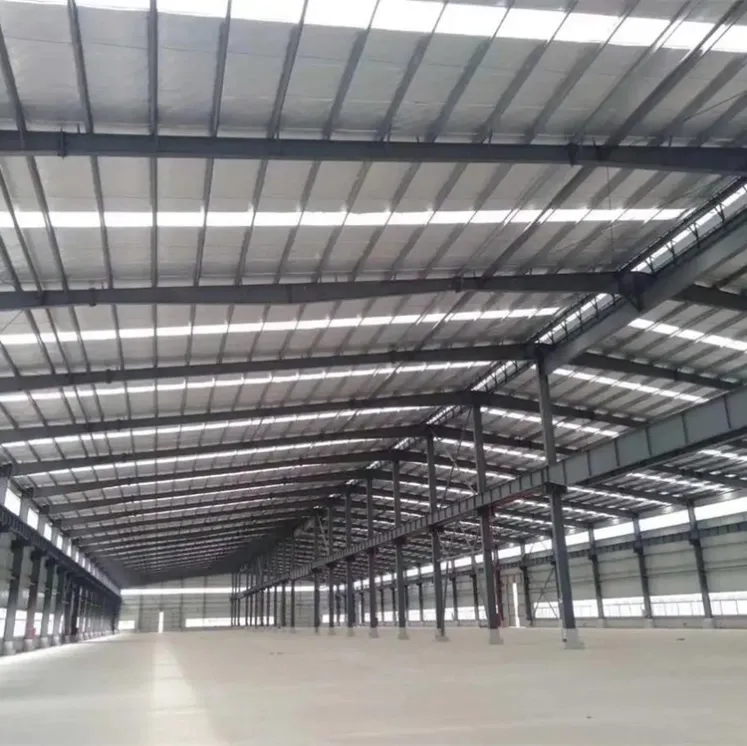
When installing a single girder overhead crane in an existing workshop, many buyers first check the lifting capacity and crane span.
However, workshop height is equally important.
If the building is too low, even if the crane capacity and span are correct, the hook may not have enough lifting height to handle your materials safely and efficiently.
For this reason, workshop dimensions should always be checked before ordering an overhead crane.
Reference Workshop Height for 5 Ton and 10 Ton Overhead Cranes
For conventional single girder overhead cranes, the following values can be used as an initial reference:
Crane Capacity | Recommended Workshop Clear Height | Typical Application |
|---|---|---|
5 Ton | From about 4.2 m | Small workshops, maintenance, machinery |
5 Ton with 6 m lifting height | Around 8 m or more | Manufacturing and material handling |
10 Ton | From about 4.8 m | Steel fabrication, machinery, heavier loads |
Important: These are reference values rather than fixed design standards.
The final required workshop height depends on the crane span, runway beam position, main girder size, electric hoist dimensions, required hook height and safety clearance.
Workshop Height Is Not the Same as Lifting Height
This is one of the most common misunderstandings when purchasing an overhead crane.
For example, an 8-meter-high workshop does not mean that you can get an 8-meter lifting height.
Part of the vertical space will be occupied by:
- Crane runway and rail
- Main girder
- Electric hoist
- Hook block
- Required safety clearance
Therefore, the actual hook height will always be lower than the total building height.
If your production requires approximately 6 meters of effective lifting height, an 8-meter workshop may be a reasonable starting point for a conventional 5 ton single girder crane, but the exact dimensions should still be calculated according to the crane design.
Why Is Workshop Height Important?
Imagine that your factory needs to lift a 3-meter-high machine.
If the crane hook can only rise to 4 meters above the floor, there may not be enough space for:
machine height + lifting sling + hook block + safety clearance.
The crane may technically fit inside the building, but it cannot perform the required lifting operation.
This is why buyers should calculate usable hook height, not simply check whether the crane can physically fit inside the workshop.
What Should You Measure Before Buying an Overhead Crane?
Before requesting a quotation, prepare these basic dimensions:
1. Workshop Clear Height
Measure from the finished floor to the lowest roof beam, truss or other obstruction.
2. Crane Span
Measure the distance related to the crane runway system. Do not simply use the total workshop width as the crane span.
3. Runway Rail Height
If your workshop already has crane runway beams and rails, provide the height from the floor to the top of the crane rail.
4. Required Lifting Height
Tell the supplier how high the hook needs to lift your load.
5. Maximum Load Height
A tall machine, steel structure or precast concrete component requires more vertical working space than a low-profile load.
What If My Workshop Is Too Low?
A low workshop does not always mean that an overhead crane cannot be installed.
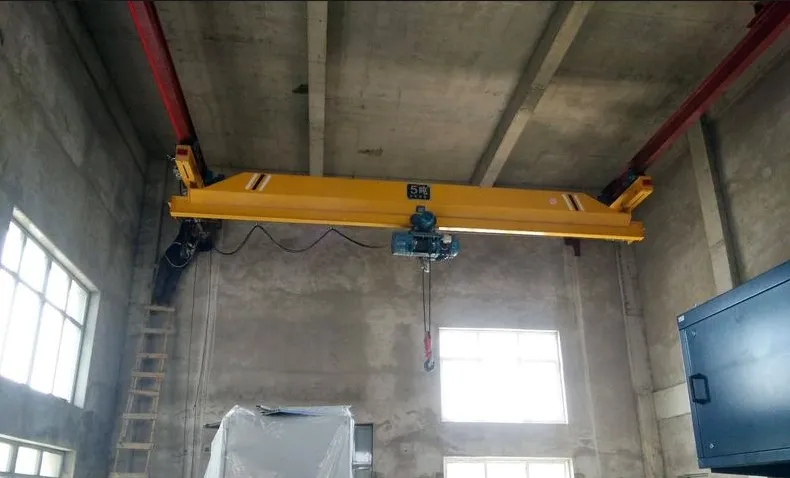
One possible solution is a low headroom single girder overhead crane.
Compared with a conventional hoist arrangement, a low-headroom design reduces the vertical space occupied by the hoisting mechanism and allows the hook to rise higher.
This can be useful for:
- Existing factories with limited roof height
- Machine workshops
- Steel fabrication workshops
- Warehouses
- Maintenance facilities
- Production lines where maximum hook height is important
However, low-headroom cranes normally require a more specific design, so accurate workshop dimensions are essential before production.
Single Girder or Double Girder Crane for a Low Workshop?
Do not assume that a double girder crane will automatically solve a height problem.
The correct choice depends on capacity, span, required lifting height, crane configuration and building structure.
For light and medium-duty applications, a single girder overhead crane is often economical and relatively simple to install.
For heavier loads, larger spans or intensive operation, a double girder overhead crane may be more suitable.
The most important point is to compare the actual maximum hook position of each design instead of comparing only crane capacity.
Example: 5 Ton Crane with 6 Meter Lifting Height
Suppose a customer needs:
- Capacity: 5 tons
- Required lifting height: 6 meters
- Application: machinery workshop
The supplier cannot select the crane based only on “5 tons.”
They also need to know:
- Workshop clear height
- Crane span
- Runway rail height
- Lowest roof obstruction
- Maximum load dimensions
- Required hook height
If the workshop clear height is around 8 meters, a conventional single girder crane may be considered.
If the available height is lower, a low-headroom crane design may need to be evaluated.
This simple check before ordering can prevent expensive modification work after the crane arrives.
Information to Send When Requesting a Crane Quotation
To select the correct overhead crane, send the following information to your supplier:
Capacity: ___ tons
Span: ___ meters
Required lifting height: ___ meters
Workshop clear height: ___ meters
Rail height: ___ meters
Power supply: ___ V / ___ Hz / 3 Phase
Material to be lifted: ___
Working hours per day: ___
If possible, also provide a workshop drawing, photo or simple hand-drawn sketch showing the building dimensions.
This makes crane selection much easier and reduces the risk of incorrect dimensions.
FAQ
1. What is the minimum workshop height for a 5 ton overhead crane?
For a conventional 5 ton single girder overhead crane, around 4.2 meters or above can be used as an initial reference for some applications. The exact requirement depends on the crane structure, span, rail height and required lifting height.
2. How high should my workshop be for a 6 meter lifting height?
For a conventional 5 ton single girder crane requiring approximately 6 meters of lifting height, a workshop clear height of around 8 meters or more can be used as an initial reference. Final dimensions should be confirmed with the crane layout drawing.
3. What workshop height is required for a 10 ton overhead crane?
A conventional 10 ton single girder overhead crane normally requires more vertical space than a smaller crane. Around 4.8 meters or above can be considered an initial reference for installations with relatively low lifting-height requirements.
4. Can I install an overhead crane in a low workshop?
Yes. A low headroom overhead crane can reduce the space occupied by the crane and increase usable hook height. The workshop dimensions must be checked before selecting this design.
5. What dimensions should I provide before buying an overhead crane?
At minimum, provide the lifting capacity, crane span, required lifting height, workshop clear height and runway rail height. Workshop drawings and photos are also very useful.
Conclusion
When choosing an overhead crane, do not consider only capacity and span.
Workshop height directly determines how much usable lifting height you can get.
Before ordering a 5 ton, 10 ton or other single girder overhead crane, measure the workshop carefully and confirm the required hook height.
A few measurements before purchasing can prevent a much bigger problem after installation.