Aug 4, 2026Buying Guide
10 Places Where You Should Never Install a Gantry Crane
Learn the 10 locations where a gantry crane should never be installed to improve safety, stability, and long-term performance.
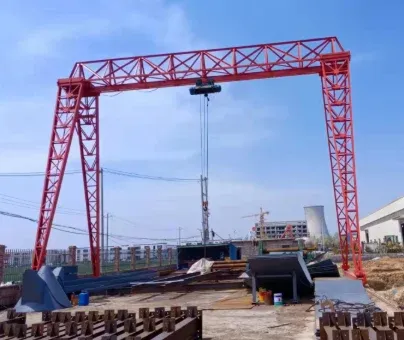
10 Places Where You Should Never Install a Gantry Crane
Choosing the right installation site is just as important as selecting the right Gantry Crane. Even the best crane cannot operate safely if it is installed in the wrong location.
Before purchasing a Gantry Crane, it is recommended to first understand How to Choose the Right Overhead Crane for a New Factory to determine the most suitable lifting solution for your workshop.
Site conditions such as foundation strength, surrounding environment, and local regulations all play a critical role in crane safety and performance.
Why Site Selection Matters
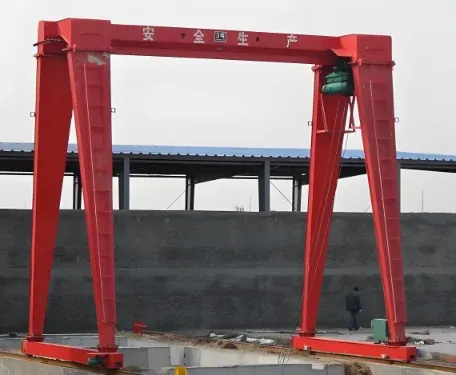
A Gantry Crane transfers heavy loads directly to the ground or runway system. If the installation site is unstable, even a properly designed crane may suffer from uneven loading, excessive wear, or structural failure.
Proper site selection helps:
- Improve operational safety
- Extend service life
- Reduce maintenance costs
- Improve lifting efficiency
- Comply with local regulations
1. Soft or Unstable Ground
Never install a gantry crane on mud, loose soil, reclaimed land, or other unstable foundations.
Soft ground may settle over time, causing the crane to tilt and increasing the risk of derailment.
Recommended foundations include:
- Reinforced concrete
- Engineered compacted ground
- Steel-supported foundations
If your workshop already has a building structure, an Overhead Crane may be a better option than a gantry crane.
2. Under High-Voltage Power Lines
A gantry crane should never operate beneath overhead electrical transmission lines.
The crane structure or suspended load may enter the electrical safety clearance zone, creating a severe shock hazard.
Always follow local electrical safety regulations before installation.
3. Ground Slopes Greater Than 1%
A Gantry Crane should operate on a level surface.
Ground slopes greater than approximately 1% may lead to:
- Uneven wheel pressure
- Rail misalignment
- Reduced traveling accuracy
- Higher structural stress
Proper foundation preparation is just as important as choosing the correct Electric Hoist for the lifting system.
4. Areas with Strong Winds
Avoid installing gantry cranes in locations frequently exposed to strong winds unless additional wind protection is provided.
Strong winds may cause:
- Load swing
- Crane movement
- Reduced operating accuracy
- Increased overturning risk
For outdoor heavy-duty applications, selecting the appropriate Double Girder Gantry Crane can also improve stability.
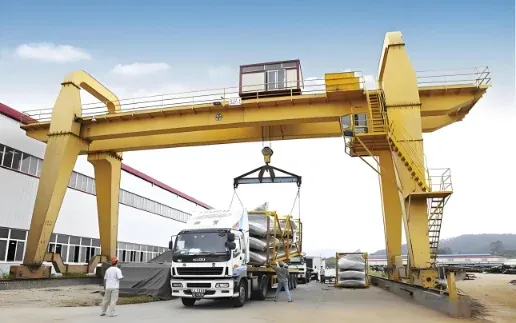
5. Poorly Drained Low Areas
Standing water is one of the most common causes of premature crane damage.
Poor drainage may result in:
- Corrosion
- Electrical failures
- Foundation settlement
- Increased maintenance costs
Proper drainage should always be considered during Crane Installation planning.
6. Incomplete Rail Foundations
Never install a rail-mounted gantry crane before the runway foundation has been inspected.
Poor foundations can cause:
- Rail misalignment
- Wheel wear
- Crane vibration
- Structural deformation
A professional Crane Installation process ensures the runway meets design requirements.
7. Narrow Working Areas
Gantry cranes require adequate operating clearance.
Limited space increases the risk of:
- Equipment collisions
- Restricted lifting paths
- Unsafe operation
- Lower production efficiency
8. Close to Residential Areas
Heavy lifting operations generate noise and vibration.
Installing a gantry crane near residential buildings may lead to:
- Community complaints
- Local operating restrictions
- Safety concerns
Industrial lifting equipment should always be installed in suitable industrial zones whenever possible.
9. Above Underground Utilities
Always investigate underground infrastructure before foundation construction.
Avoid installing above:
- Gas pipelines
- Water mains
- Electrical cables
- Communication lines
- Drainage systems
Foundation design should account for all underground utilities before construction begins.
10. Without Legal Approval
Never install a gantry crane before obtaining all required permits.
Depending on local regulations, approvals may include:
- Construction permits
- Equipment registration
- Safety inspections
- Environmental approvals
Working with an experienced Crane Manufacturer can simplify compliance throughout the installation process.
Gantry Crane Site Selection Checklist
Before installation, confirm that:
✔ The foundation has sufficient bearing capacity.
✔ The ground is level.
✔ No high-voltage power lines pass overhead.
✔ Drainage is adequate.
✔ Rail foundations are complete.
✔ Working space is sufficient.
✔ The site is away from residential areas.
✔ Underground utilities have been identified.
✔ Wind conditions have been evaluated.
✔ All required permits have been obtained.
Conclusion
Selecting the right installation site is just as important as choosing the right Gantry Crane.
A safe and properly prepared installation environment improves lifting efficiency, reduces maintenance costs, and extends equipment lifespan.
If you are still deciding which crane best fits your application, you may also find these guides helpful:
- How to Choose the Right Electric Hoist
Planning the installation carefully before purchasing will save both time and long-term operating costs.
Frequently Asked Questions (FAQ)
Can a gantry crane be installed on soil?
No. A gantry crane should be installed on a stable foundation with adequate bearing capacity. Soft soil may settle and affect crane stability.
Can a gantry crane operate on uneven ground?
No. A level surface is recommended. Excessive slopes can increase wheel wear and reduce lifting safety.
Why is drainage important?
Poor drainage accelerates corrosion, weakens the foundation, and increases maintenance requirements.
Is a gantry crane suitable for every workshop?
Not always. In enclosed factories, an Overhead Crane may provide better space utilization, while localized lifting tasks are often better served by a Jib Crane.
What should I check before installing a gantry crane?
Verify foundation strength, ground levelness, drainage, overhead clearance, underground utilities, available working space, wind conditions, and local regulatory approvals.